
0
My Cart
£0.00
No products in the cart.
Active filters








- -10%
- -10%
In the Footsteps of Darwin: Correspondence
£14.39
£15.99
Free Shipping
England, 1856: Charles Darwin finishes writing On the Origin of Species while you are on your way home. Your correspondence with the illustrious scientist during your journey has paid off as his book will soon be published - but you\'re not done yet. In the In the Footsteps of Darwin: Correspondence expansion, you will gain the support of historical figures and make fascinating new discoveries thanks to several new features for the base game: publication tokens, classification tokens, envelope tokens, and new characters such as Emma Darwin and Queen Victoria.
Availability:
Last items in stock
- -23%
- -23%
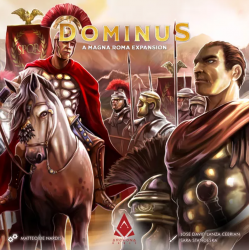
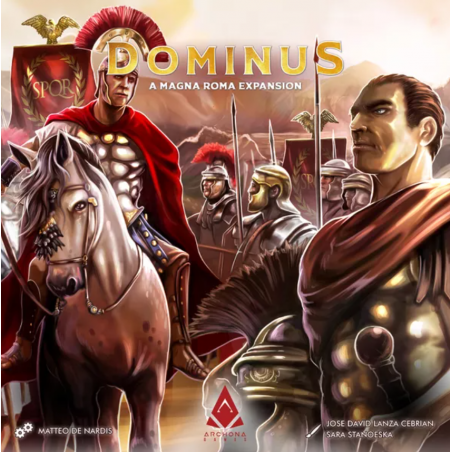
Magna Roma: Dominus
£29.99
£38.95
Free Shipping
In Dominus, players will be fighting for control of the Europe and North African territories. To do this, players will be able to either use the military symbols combination or the prestige symbol combination.
Availability:
In stock

- -23%
- -23%
Magna Roma
£58.48
£75.95
Free Shipping
You are summoned by the Roman emperor to hear about his great plans for expansion. He wants you to found the next great Roman city that will bring glory to the Roman Empire! Build the greatest Roman cities and bring glory to Rome in this tile-placement, city builder board game for 1-4 players!
Availability:
In stock

- -50%
- -50%
Codex Naturalis
£7.48
£14.95
Free Shipping
In CODEX Naturalis, you must continue the work of the illuminating monk Tybor Kwelein, assembling the pages of a manuscript that lists the living species in primary forests. Can you put the pages together in the best order possible? And are you prepared to sacrifice a species to develop your manuscript?
Availability:
In stock
- -20%
- -20%
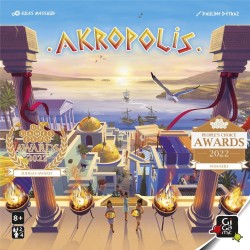
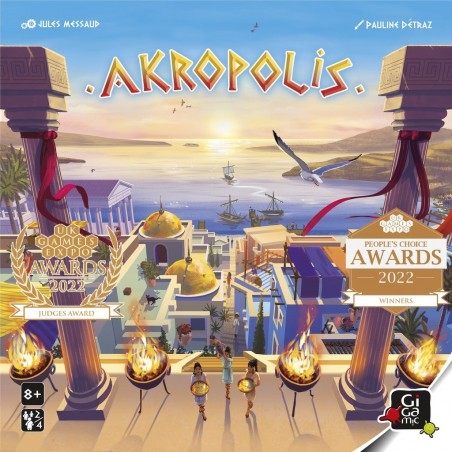
Akropolis
£19.96
£24.95
Free Shipping
Gatweway-friendly, intuitive mechanisms.
Meaningful decisions for all gamers to explore!
Incredible table presence with layered cities.
Availability:
In stock

- -40%
- -40%
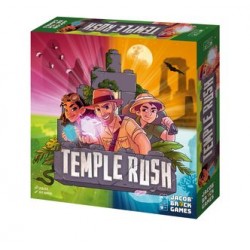
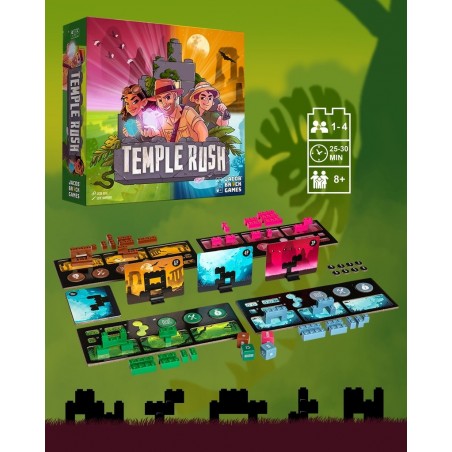
Temple Rush
£14.97
£24.95
Free Shipping
Roll the dice to pick your bricks and place them to skilfully build 3D temples. Temple Rush is an exciting race combining special player powers to be the first one to finish.
Availability:
Last items in stock
- -25%
- -25%
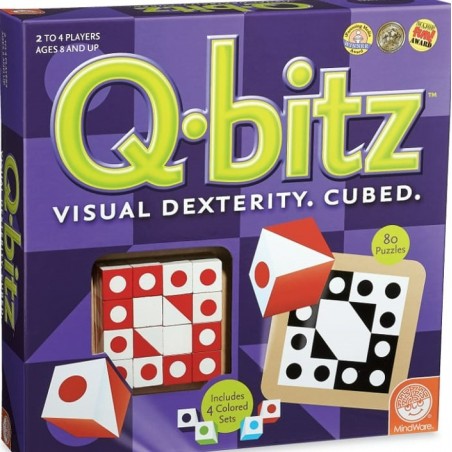
Q-bitz
£24.71
£32.95
Free Shipping
Say goodbye to boredom and challenge your mind and each other with this family-fun puzzle game!
Round one is all about speed, round two requires a bit of luck and round three tests brain power!
Availability:
In stock

- -25%
- -25%
Q-bitz Solo
£9.71
£12.95
Free Shipping
Use Q-bitz Solo as a solitaire challenge or to add another player, a new colour and additional pattern cards to the original Q-bitz game.
Availability:
In stock

- -20%
- -20%
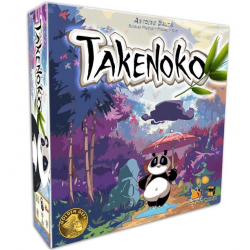
Takenoko
£31.96
£39.95
Free Shipping
A long time ago at the Japanese Imperial court, the Chinese Emperor offered a giant panda bear as a symbol of peace to the Japanese Emperor. Since then, the Japanese Emperor has entrusted his court members (the players) with the difficult task of caring for the animal by tending to his bamboo garden.
In Takenoko, the players will cultivate land plots, irrigate them, and grow one of the three species of bamboo (Green, Yellow, and Pink) with the help of the Imperial gardener to maintain this bamboo garden. They will have to bear with the immoderate hunger of this sacred animal for the juicy and tender bamboo. The player who manages his land plots best, growing the most bamboo while feeding the delicate appetite of the panda, will win the game.
Availability:
Out of Stock
- -15%
- -15%
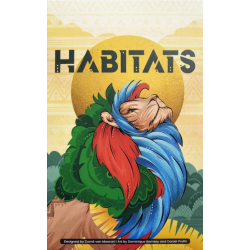
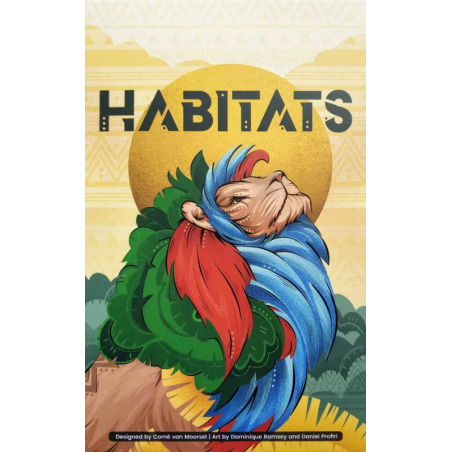
Habitats
£33.96
£39.95
Free Shipping
In Habitats, each player builds a big wildlife park without cages or fences. The animals in your park need their natural habitats: grassland, bush, rocks or lakes. The zebra needs a big area of grass and some water adjacent, for example, while a bat needs rocks and bush and water, a hart needs bush and grass, and a crocodile needs mainly water. There is a snake, baboon, bee, elephant, otter, lizard, turtle, eagle, meerkat, scorpio, hog, catfish, rhino, etc., each with its own landscape requirements — 68 different animals in total.
Availability:
Out of Stock
- -12%
- -12%
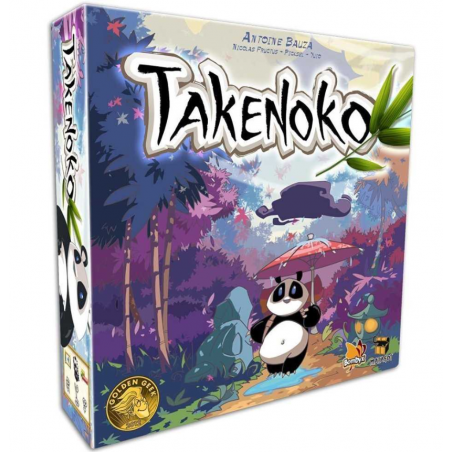
Takenoko
£31.64
£35.95
Free Shipping
A long time ago at the Japanese Imperial court, the Chinese Emperor offered a giant panda bear as a symbol of peace to the Japanese Emperor. Since then, the Japanese Emperor has entrusted his court members (the players) with the difficult task of caring for the animal by tending to his bamboo garden.
Availability:
Out of Stock
- -15%
- -15%
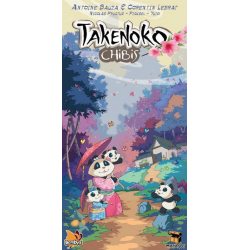
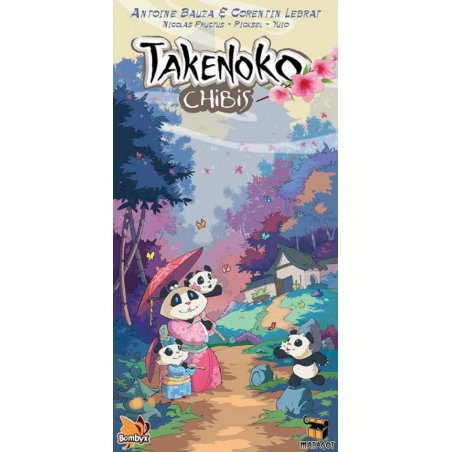
Takenoko: Chibis
£16.96
£19.95
Free Shipping
A long time ago, the Emperor of China offered to the Emperor of Japan a giant panda, a symbol of peace. Your delicate mission: Take care of the animal by planning a bamboo field. Now as a reward for your great work, you are being offered a second panda...a female!
Availability:
Out of Stock
- -7%
- -7%
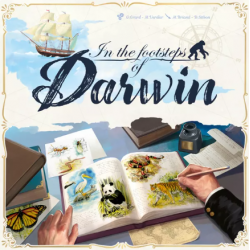
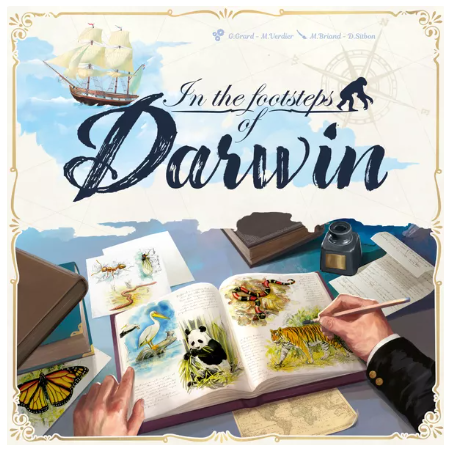
In the Footsteps of Darwin
£32.50
£34.95
Free Shipping
Twenty years after his expedition around the world, Charles Darwin is writing On the Origins of Species. He wants to gather new information about animal life, particularly about continents he hardly explored. Who other than young naturalists, eager for discovery, could help the renowned scholar finish writing his most famous work?
Availability:
Out of Stock