
0
My Cart
£0.00
No products in the cart.
Active filters



- -10%
- -10%
In the Footsteps of Darwin: Correspondence
£14.39
£15.99
Free Shipping
England, 1856: Charles Darwin finishes writing On the Origin of Species while you are on your way home. Your correspondence with the illustrious scientist during your journey has paid off as his book will soon be published - but you\'re not done yet. In the In the Footsteps of Darwin: Correspondence expansion, you will gain the support of historical figures and make fascinating new discoveries thanks to several new features for the base game: publication tokens, classification tokens, envelope tokens, and new characters such as Emma Darwin and Queen Victoria.
Availability:
Last items in stock

- -20%
- -20%
Garden Rush
£17.56
£21.95
Free Shipping
Garden Rush is a two-player, tile-placement battle game in a vegetable garden in which players race to grow vegetables in their garden and fill their basket before their neighbor. Careful planning is needed to plant each vegetable in its unique pattern for future harvesting, while keeping an eye on the conveyor belt shared between the gardens.
Availability:
In stock
- -23%
- -23%
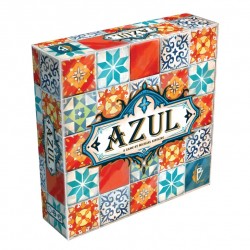
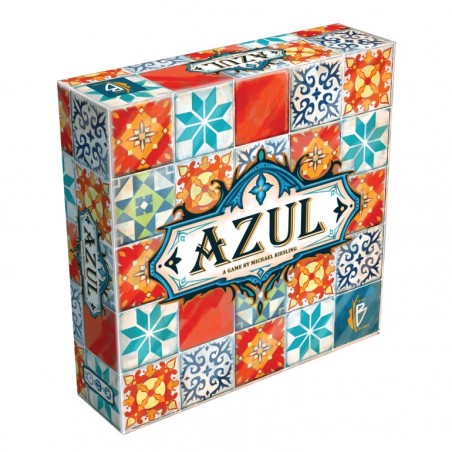
Azul
£33.07
£42.95
Free Shipping
Azul
Azul invites you, a tile laying artisan, to embellish the walls of the Royal Palace of Evora.
Availability:
In stock
- -40%
- -40%
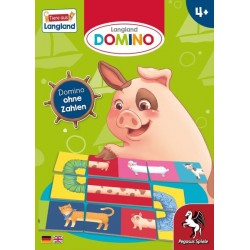
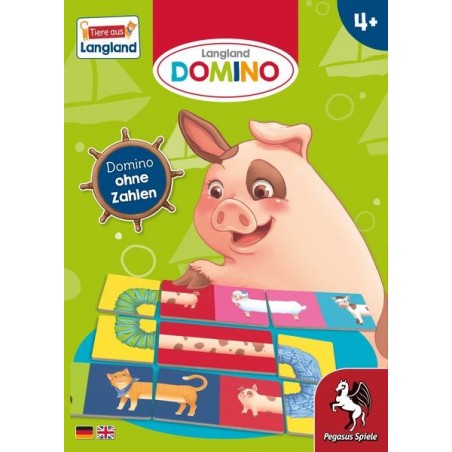
Langland Domino
£5.97
£9.95
Free Shipping
The Animals from Langland meet again in Langland Domino, a classic game with the Langland twist: no numbers, but cute animals. In the game 2 to 4 players aged 4 an up try to get rid of all their animal tiles first. To do so, they have to continue or complete animals on the table. If they complete an animal, they get to lie another tile immediately. The special corner pieces not only have the ever-growing line of animals stay on the table, but also grant an extra turn. As soon as a player got rid of all tiles or cannot lay out any of their tiles anymore, the game ends and the player with the least tiles left, wins.
Availability:
In stock
- -7%
- -7%
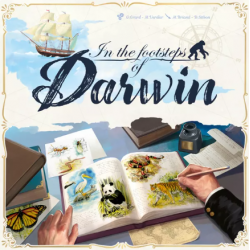
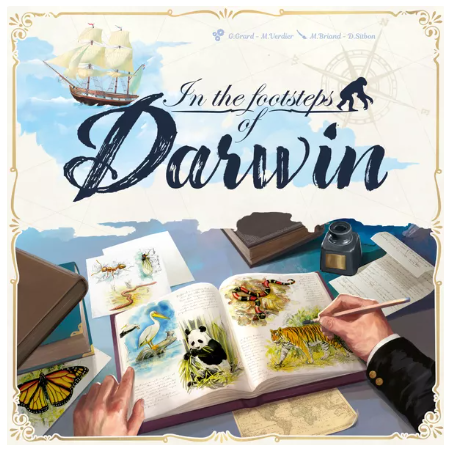
In the Footsteps of Darwin
£32.50
£34.95
Free Shipping
Twenty years after his expedition around the world, Charles Darwin is writing On the Origins of Species. He wants to gather new information about animal life, particularly about continents he hardly explored. Who other than young naturalists, eager for discovery, could help the renowned scholar finish writing his most famous work?
Availability:
Out of Stock
- -20%
- -20%
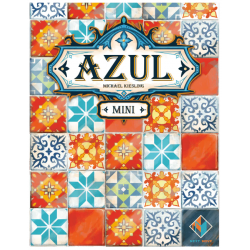
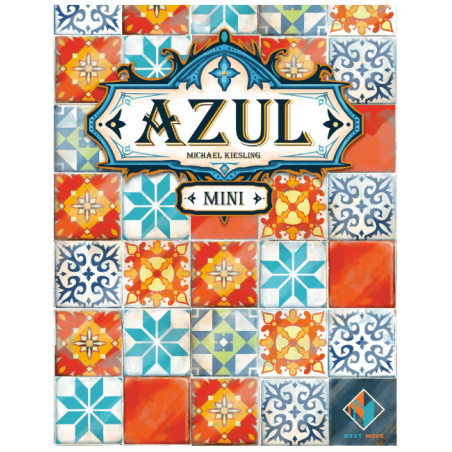
Azul Mini
£15.96
£19.95
Free Shipping
Introduced by the Moors, azuleijos (originally white and blue ceramic tiles) were fully embraced by the Portuguese when their king Manuel I, on a visit to the Alhambra palace in Southern Spain, was mesmerized by the stunning beauty of the Moorish decorative tiles. The king, awestruck by the interior beauty of the Alhambra, immediately ordered that his own palace in Portugal be decorated with similar wall tiles. As a tile-laying artist, you have been challenged to embellish the walls of the Royal Palace of Evora.
Availability:
Out of Stock
- -20%
- -20%
Availability:
Out of Stock