
0
My Cart
£0.00
No products in the cart.
Active filters




- -10%
- -10%
In the Footsteps of Darwin: Correspondence
£14.39
£15.99
Free Shipping
England, 1856: Charles Darwin finishes writing On the Origin of Species while you are on your way home. Your correspondence with the illustrious scientist during your journey has paid off as his book will soon be published - but you\'re not done yet. In the In the Footsteps of Darwin: Correspondence expansion, you will gain the support of historical figures and make fascinating new discoveries thanks to several new features for the base game: publication tokens, classification tokens, envelope tokens, and new characters such as Emma Darwin and Queen Victoria.
Availability:
Last items in stock

- -15%
- -15%
CoraQuest: Keep on Questing
£29.71
£34.95
Free Shipping
An expansion to CoraQuest, a family dungeon crawling board game, that adds campaign rules to the base game.
Players are now able to level up your heroes between quests, and also keep treasure from one adventure to another. There are two full campaigns included - “The Curse of Hoodez” and “A Spotter’s Guide to the Dungeon”. Each campaign contains five brand-new adventures to play through.
Availability:
In stock

- -28%
- -28%
Forbidden Desert
£21.56
£29.95
Free Shipping
Dare you enter into this rip-roaring adventure in the desert city? A stunning sequel to the award-winning Forbidden Island… and Forbidden Desert is as foreboding as it sounds!
Gear up for a thrilling adventure to recover a legendary flying machine buried deep in the ruins of an ancient desert city. You’ll need to coordinate with your teammates and use every available resource if you hope to survive the scorching heat and relentless sandstorm.
Availability:
In stock
- -15%
- -15%
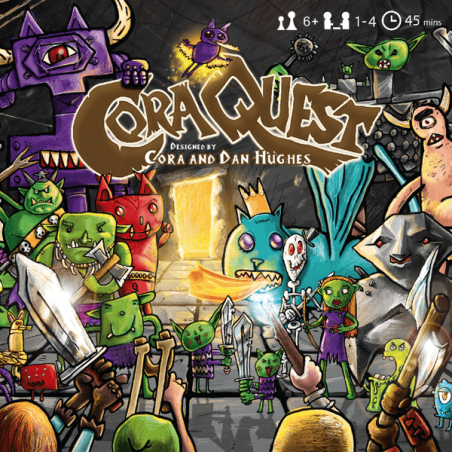
CoraQuest
£33.96
£39.95
Free Shipping
CoraQuest is an exciting and accessible co-operative dungeon crawling game for one to four people, aged six and up.
In CoraQuest the players work together to guide four adventurers exploring a dungeon, avoiding traps, finding treasure, fighting monsters, and sometimes rescuing a gnome called Kevin.
Availability:
Out of Stock
- -7%
- -7%
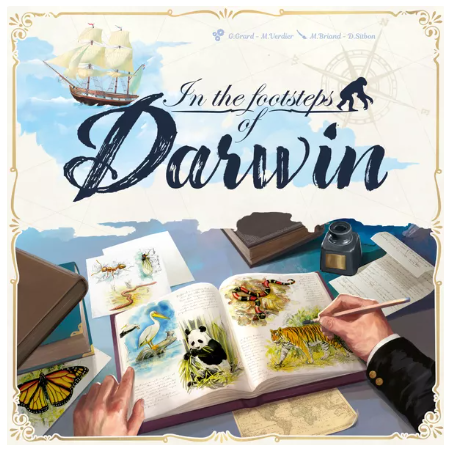
In the Footsteps of Darwin
£32.50
£34.95
Free Shipping
Twenty years after his expedition around the world, Charles Darwin is writing On the Origins of Species. He wants to gather new information about animal life, particularly about continents he hardly explored. Who other than young naturalists, eager for discovery, could help the renowned scholar finish writing his most famous work?
Availability:
Out of Stock