
0
My Cart
£0.00
No products in the cart.
Active filters




- -10%
- -10%
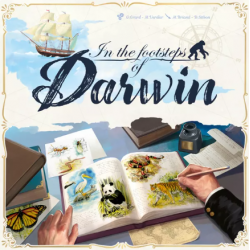
In the Footsteps of Darwin: Correspondence
£14.39
£15.99
Free Shipping
England, 1856: Charles Darwin finishes writing On the Origin of Species while you are on your way home. Your correspondence with the illustrious scientist during your journey has paid off as his book will soon be published - but you\'re not done yet. In the In the Footsteps of Darwin: Correspondence expansion, you will gain the support of historical figures and make fascinating new discoveries thanks to several new features for the base game: publication tokens, classification tokens, envelope tokens, and new characters such as Emma Darwin and Queen Victoria.
Availability:
Last items in stock
- -22%
- -22%
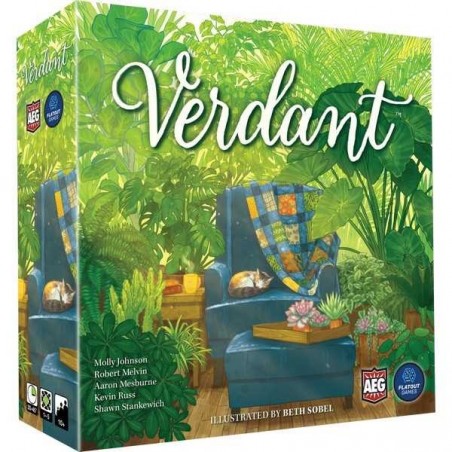
Verdant
£31.16
£39.95
Free Shipping
Take on the role of a houseplant enthusiast – collecting and caring for plants as you compete to create the coziest, most verdant home! With variable scoring goals, each game of Verdant brings a new spatial puzzle to your table!
Availability:
Last items in stock

- -20%
- -20%
The Shipwreck Arcana
£27.96
£34.95
Free Shipping
The Shipwreck Arcana is a compact, co-operative game of deduction, evaluation, and logic. Each player\'s doom constantly changes as they draw numbered fate tiles from the bag. By choosing which fate to give up and which card to play it on, you can give your allies enough information to identify the fate you\'re holding...which is important, as the active player cannot communicate with their allies during their turn!
Availability:
Out of Stock
- -15%
- -15%
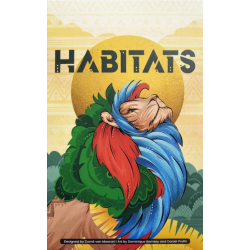
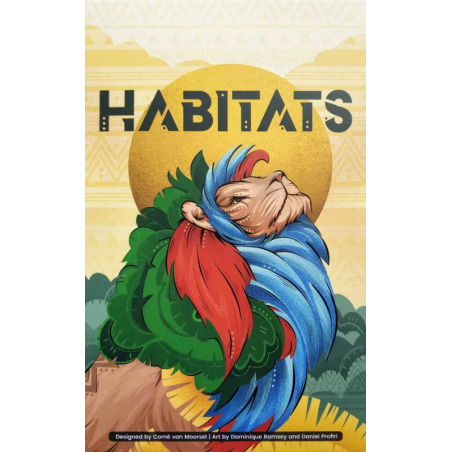
Habitats
£33.96
£39.95
Free Shipping
In Habitats, each player builds a big wildlife park without cages or fences. The animals in your park need their natural habitats: grassland, bush, rocks or lakes. The zebra needs a big area of grass and some water adjacent, for example, while a bat needs rocks and bush and water, a hart needs bush and grass, and a crocodile needs mainly water. There is a snake, baboon, bee, elephant, otter, lizard, turtle, eagle, meerkat, scorpio, hog, catfish, rhino, etc., each with its own landscape requirements — 68 different animals in total.
Availability:
Out of Stock
- -7%
- -7%
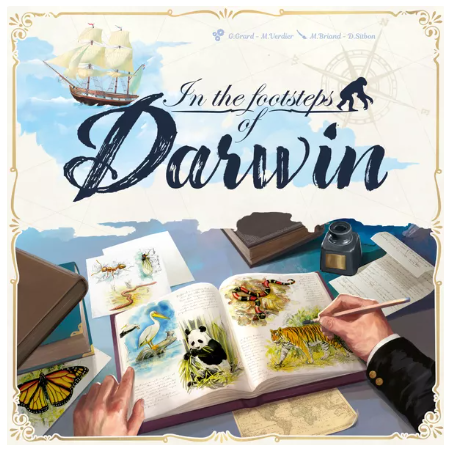
In the Footsteps of Darwin
£32.50
£34.95
Free Shipping
Twenty years after his expedition around the world, Charles Darwin is writing On the Origins of Species. He wants to gather new information about animal life, particularly about continents he hardly explored. Who other than young naturalists, eager for discovery, could help the renowned scholar finish writing his most famous work?
Availability:
Out of Stock