
0
My Cart
£0.00
No products in the cart.
Active filters


- -30%
- -30%
Battle Dentale
£17.47
£24.95
Free Shipping
Working as a monster in an evil wizard\'s dungeon isn\'t easy. It\'s dark, damp, and your boss has a habit of turning employees into frogs during annual performance reviews.
But perhaps the worst thing is the boredom. Sure, it\'s exciting when the occasional hero stumbles past and you have a bit of a scuffle. However, most of the time you\'re just hanging about watching mould grow on the walls.
Availability:
In stock
- -25%
- -25%
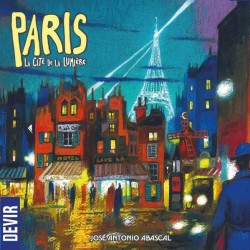
Paris: La Cité de la Lumière
£18.71
£24.95
Free Shipping
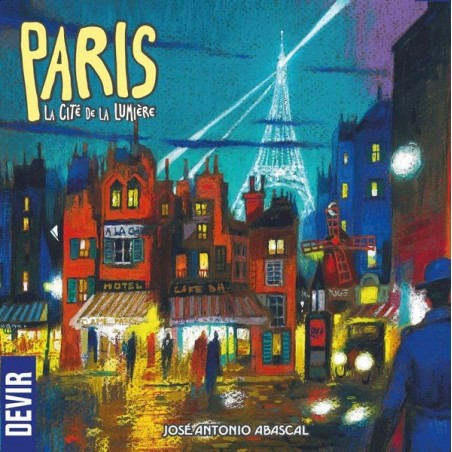
Paris: La Cité de la Lumière is a two-player board game, designed by José Antonio Abascal, infused with Parisian aesthetics by the artist, Oriol Hernández. The game is set in late 19th century Paris during the 1889 “Exposition Universelle”, when public electricity was a hot topic. Electricity spread throughout the city, creating today’s beautiful nocturnal Parisian streets and coining Paris’s nickname “La Cité de la Lumiére”, the City of Lights. The most well-lit buildings are admired highly by passers-by.
Availability:
In stock
- -30%
- -30%
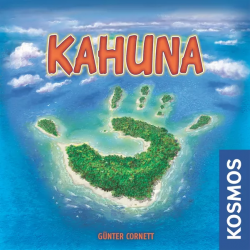
Kahuna
£11.87
£16.95
Free Shipping
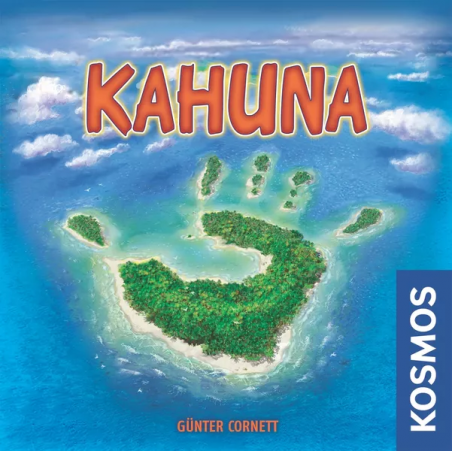
"Who will rule the South Seas? Two Kahuna - ancient sorcerers of the Pacific - compete for dominance on an archipelago consisting of twelve small islands. Using their magic and wisdom, they struggle for control of the islands. They anxiously await the cards handed to them by fate. But when the time is right, they move to capture one, two, or even more islands, trying to gain the upper hand. At the mercy of the magical powers of the South Seas, they quickly realize that even the best magic is no good without strategy."
Availability:
Last items in stock
- -34%
- -34%
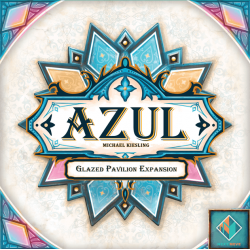
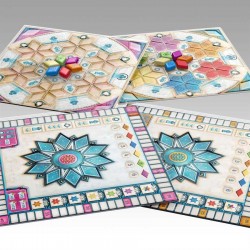
Azul Summer Pavilion: Glazed Pavilion Expansion
£11.85
£17.95
Free Shipping
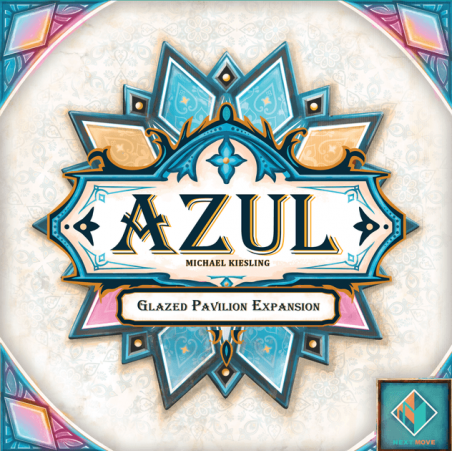
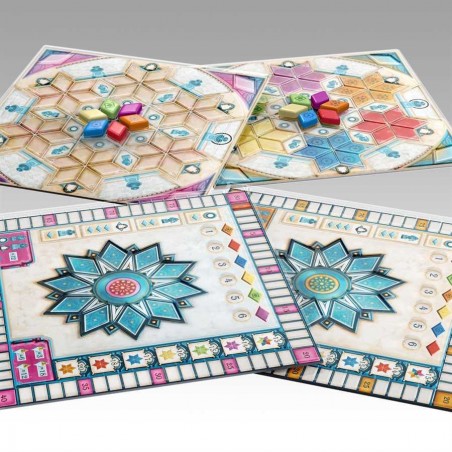
A brand-new floor! This expansion offers players two newly designed player boards and matching scoring boards, plus a set of four overlays to keep tiles neatly organised.
Availability:
In stock
- -40%
- -40%
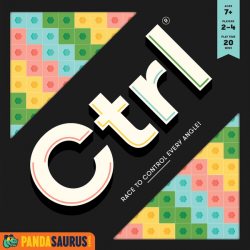
Ctrl
£13.17
£21.95
Free Shipping
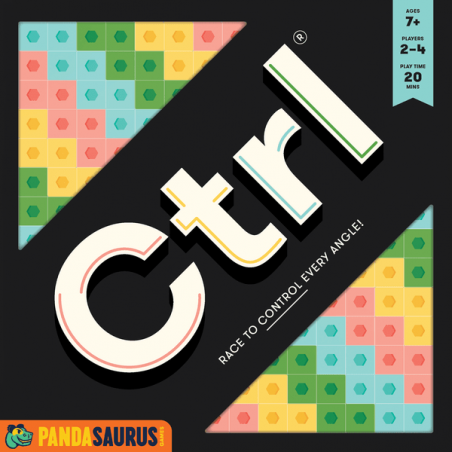
In Ctrl, players try to dominate a cube by crawling over it with their colored bricks, preferably covering other players\' bricks along the way.
In more detail, you start with a 3×3×3 cube that has one block of each player color stuck into one of the cube\'s holes. (In a two-player game, each player controls two colors, but at the start of play they secretly choose one of those colors to be their scoring color, with the other color serving only as a blocking mechanism.) Each player has a matching colored flag that sticks out of their block.
Availability:
In stock