
0
My Cart
£0.00
No products in the cart.



- -10%
- -10%
España 1936
£44.96
£49.95
Free Shipping
ESPAÑA 1936 is a game of historical simulation that recreates the facts occurred during the Spanish Civil War (1936-39).
It is played on a board depicting Spain and divided in connected zones, with counters at operational level. It has cards to develop the events of the war and to modify decisive battles. It does not have any CRT, and the combats are simple but real for the conflict. The turn and the combats are alternative, which creates a great interaction between the players. Thought for beginners and experts alike.
Availability:
In stock
- -20%
- -20%
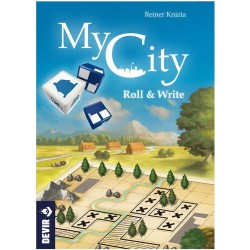
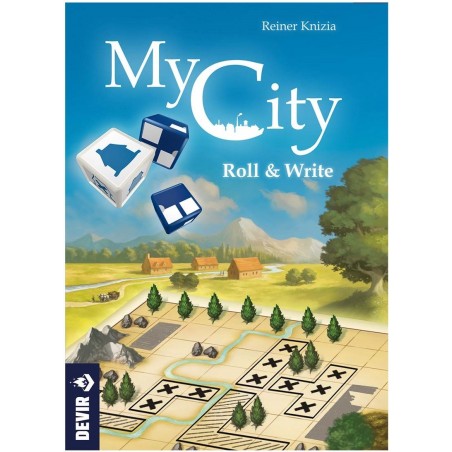
My City: Roll and Write
£11.96
£14.95
Free Shipping
My City: Roll & Build is a dice game in which over four chapters, each with three episodes, you create a unique city. The roll of the dice shows everyone which building to draw on their game pad, and from episode to episode, you have to face new challenges. First the land is developed and later gold is found. This brings bandits into your city who must be surrounded and taken into custody.
Availability:
In stock
- -12%
- -12%
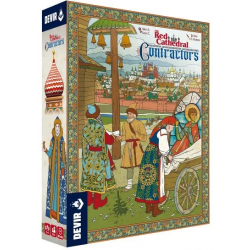
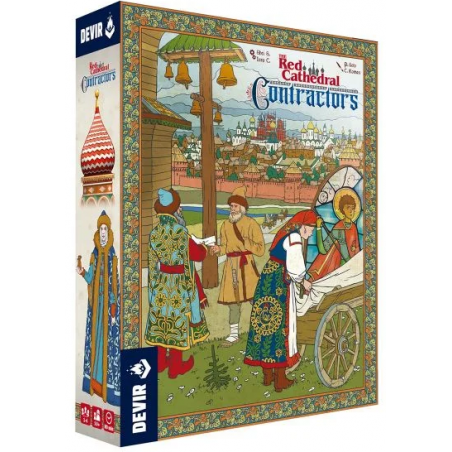
The Red Cathedral: Contractors
£26.36
£29.95
Free Shipping
Red Cathedral Contractors is another fabulous offering from Sheila Santos and Israel Cedrero, with stunning artwork again by Pedro Soto and Chema Roman.
Availability:
In stock
- -20%
- -20%
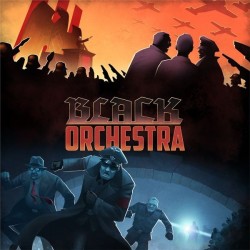
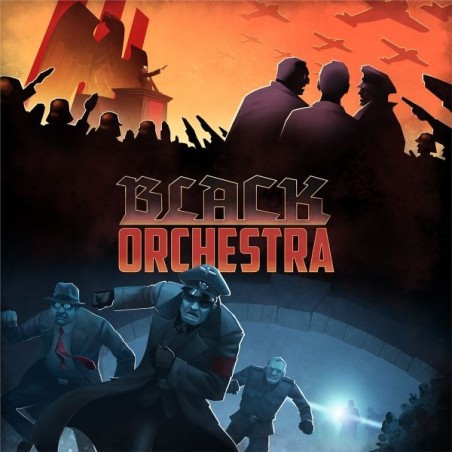
Black Orchestra
£47.96
£59.95
Free Shipping
A tense and heart-pounding co-operative game based on historic events, in which concerned German officers and citizens attempted to remove Hitler from power, by any means necessary. Players take on the roles of these conspirators and engage in a high-risk game of growing suspicions, daring actions, and desperate plots.
Availability:
Out of Stock

- -20%
- -20%
Days And Nights: Red Army Miniature Pack
£28.76
£35.95
Free Shipping
Days & Nights: Red Army Pack is an add-on pack that contains 28 miniatures compatible with both Days of Ire and Nights of Fire. It also contains a small deck expansion to Nights of Fire, and an additional deck allowing campaign play.
In Campaign mode you can play a game of Days of Ire followed by a game of Nights of Fire (solo, cooperative, or conflict mode up to 1v2 supported), and have the winner decided only at the end!
Availability:
Out of Stock

- -20%
- -20%
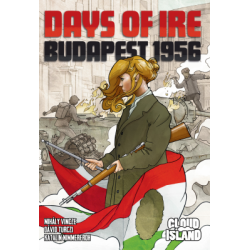
Days Of Ire: Budapest 1956
£34.36
£42.95
Free Shipping
It\'s 1956, and waves of protest in Poland are once again showing cracks of the Eastern European communist bloc. Emboldened by these signs, students and intellectuals in Budapest, the Hungarian capital, organize a protest of previously unseen magnitudes. As the communist leadership sweeps in to kill the movement in its tracks a violent response is provoked, thus sparking the Revolution of the 23rd of October.
Availability:
Out of Stock