
0
My Cart
£0.00
No products in the cart.
Active filters






- -30%
- -30%
Garden Rush
£15.37
£21.95
Free Shipping
Garden Rush is a two-player, tile-placement battle game in a vegetable garden in which players race to grow vegetables in their garden and fill their basket before their neighbor. Careful planning is needed to plant each vegetable in its unique pattern for future harvesting, while keeping an eye on the conveyor belt shared between the gardens.
Availability:
In stock

- -30%
- -30%
Undergrove
£34.97
£49.95
Free Shipping
For over 300 million years, trees have traded nutrients with fungi in a vast underground network. Scientists continue to make new discoveries about this hidden world.
In Undergrove, you are a towering evergreen with an ancient symbiotic connection to the fungi in your forest. As new mushrooms appear, your options expand for converting nutrients and helping your seedlings. Using cube conversion, tile placement, area control, and a tiny bit of engine building, you’ll need to claim the most advantageous locations and optimize your actions to leave the best legacy in the forest. The player with the greatest number of successful seedlings, wins!
Availability:
In stock

- -29%
- -29%
Windmill Valley
£40.79
£57.45
Free Shipping
It’s the late 19th century, and more than 9000 windmills dot the landscape of the Netherlands, some of them purpose-built to dry the lowlands, called polders. In the polders between these windmills are fields filled with colorful tulips—the flower that once was a part of the turbulent history of the first financial bubble but is now simply a quintessential part of the Dutch landscape, especially on the famous Bloemen Route (or “Flower Route”).
Availability:
In stock
- -26%
- -26%
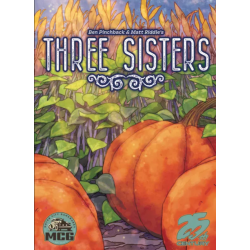
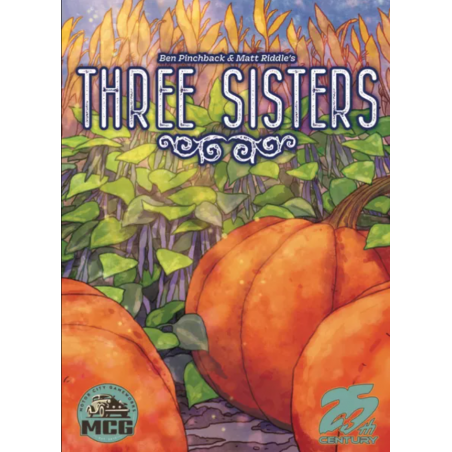
Three Sisters
£22.16
£29.95
Free Shipping
Three Sisters is a strategic roll-and-write game about backyard farming. Three Sisters is named after an indigenous agricultural technique still widely used today in which three different crops — in this case, pumpkins, corn, and beans — are planted close together. Corn provides a lattice for beans to climb, the beans bring nitrogen from the air into the soil, and the squash provides a natural mulch ground cover to reduce weeds and keep pests away.
Availability:
Last items in stock
- -37%
- -37%
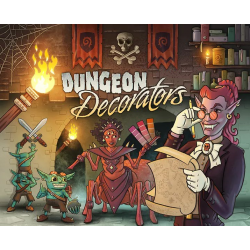
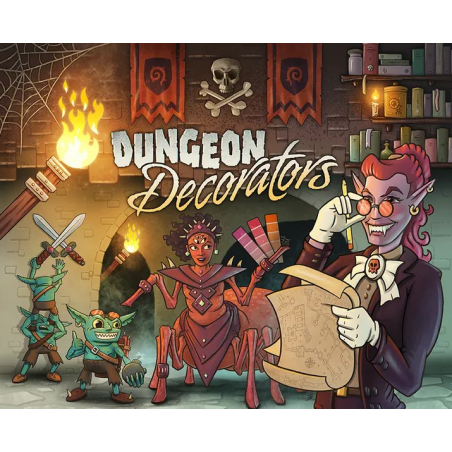
Dungeon Decorators
£27.06
£42.95
Free Shipping
From time beyond memory, a great evil overlord has plagued the land, his ruthless cruelty matched only by his ruthlessly poor decorating taste. That evil overlord has died, and numerous pretenders are vying to take over his throne. And everyone knows that the first step on the journey to becoming a legendary evil boss is to set up a nefarious lair.
Availability:
In stock

- -30%
- -30%
Evolution
£34.97
£49.95
Free Shipping
Create and adapt your own species in a dynamic ecosystem with hungry predators and limited resources.
Traits like Hard Shell and Horns will protect you from Carnivores, while a Long Neck will help you get food that others cannot reach. With over 12000 different species to create, see who will best adapt their species to eat, multiply and thrive
Availability:
In stock

- -38%
- -38%
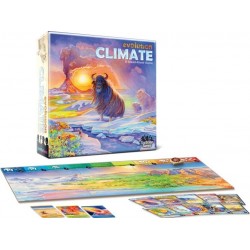
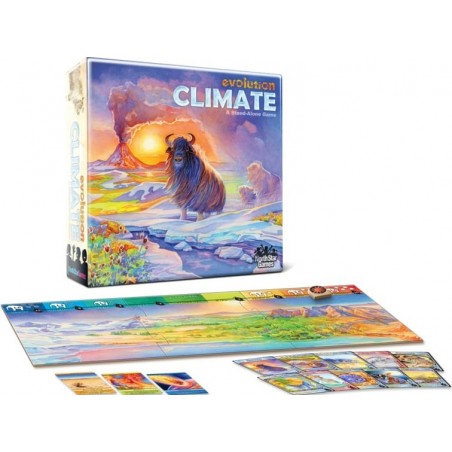
Evolution: Climate
£44.61
£71.95
Free Shipping
A stand-alone game where players adapt their species in an ecosystem where the climate can swing between scorching hot and icy cold. Heavy Fur and Migratory can protect your species from the cold while being Nocturnal or Burrowing will provide protection from the cruel desert sun.
Availability:
Last items in stock
- -80%
- -80%
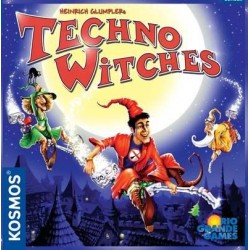
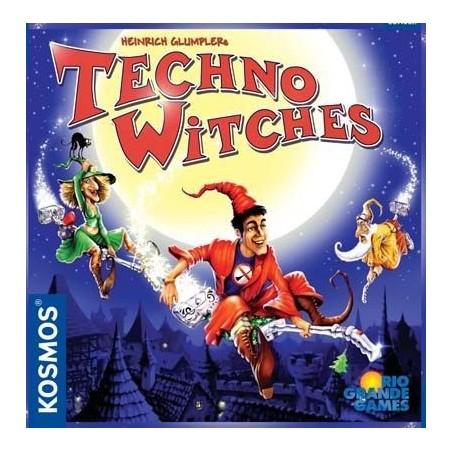
Techno Witches
£4.99
£24.95
Free Shipping
Heinrich Glumpler is well-known for his original game ideas. With Zauberstauber (Magic Duster), he\'s tackled witches - but not the kind of witches that are known to most, that is, wrinkled old crones that fly about on dusty broomsticks.
Availability:
Last items in stock

- -20%
- -20%
In the Footsteps of Darwin: Correspondence
£12.79
£15.99
Free Shipping
England, 1856: Charles Darwin finishes writing On the Origin of Species while you are on your way home. Your correspondence with the illustrious scientist during your journey has paid off as his book will soon be published - but you\'re not done yet. In the In the Footsteps of Darwin: Correspondence expansion, you will gain the support of historical figures and make fascinating new discoveries thanks to several new features for the base game: publication tokens, classification tokens, envelope tokens, and new characters such as Emma Darwin and Queen Victoria.
Availability:
Out of Stock

- -20%
- -20%
Finca
£23.96
£29.95
Free Shipping
The players take the roles of Mallorcan farmers, who strive to harvest as many of the island‘s tropical fruits: figs, almonds, olives, oranges, grapes, and lemons, as possible. The players deliver their harvested fruits to the island communities, which have constantly changing requirements during the course of the game. For these deliveries, the players receive victory points. In the end, the player with the most victory points is the winner.
Availability:
Out of Stock