
0
My Cart
£0.00
No products in the cart.
Active filters




- -10%
- -10%
In the Footsteps of Darwin: Correspondence
£14.39
£15.99
Free Shipping
England, 1856: Charles Darwin finishes writing On the Origin of Species while you are on your way home. Your correspondence with the illustrious scientist during your journey has paid off as his book will soon be published - but you\'re not done yet. In the In the Footsteps of Darwin: Correspondence expansion, you will gain the support of historical figures and make fascinating new discoveries thanks to several new features for the base game: publication tokens, classification tokens, envelope tokens, and new characters such as Emma Darwin and Queen Victoria.
Availability:
Last items in stock

- -33%
- -33%
Dobble
£8.68
£12.95
Free Shipping
The smash-hit game of fast reactions and perception that anyone can learn in an instant! Over 1,000,000 copies sold
Availability:
In stock
- -20%
- -20%
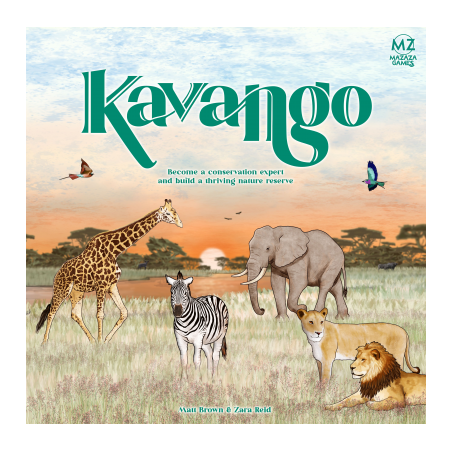
Kavango
£39.96
£49.95
Free Shipping
Travel to the vast wildernesses of Southern Africa and step into the role of a Conservation Expert. Embark on a re-wilding journey as you transform your own unique landscape into a thriving nature reserve. Over three fast-paced rounds of simultaneous turns and card drafting, you will build a flourishing ecosystem. As you grow your nature reserve, you must complete research tasks to earn money to invest in protection and provide a haven for vulnerable and endangered animals. As the game progresses, your choices become harder and your strategy more complex as you aim to build the highest scoring nature reserve.
Availability:
Out of Stock

- -10%
- -10%
Castles of Mad King Ludwig: Expansions
£44.96
£49.95
Free Shipping
In Castles of Mad King Ludwig, you built the perfect castles subject to the whims of the King. But now he wants even more (he is mad, after all). Castles of Mad King Ludwig: Expansions contains several expansions that can be played separately or in any combination, as well as brand new bonus cards and favors.
Availability:
Out of Stock
- -7%
- -7%
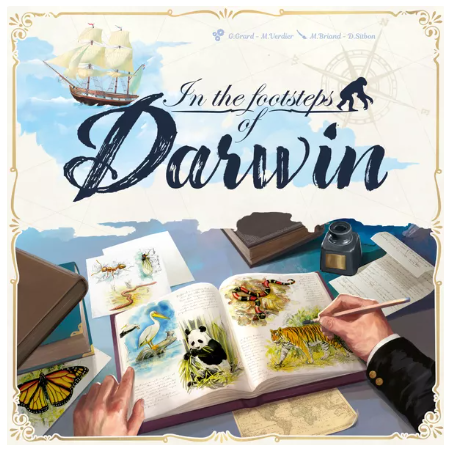
In the Footsteps of Darwin
£32.50
£34.95
Free Shipping
Twenty years after his expedition around the world, Charles Darwin is writing On the Origins of Species. He wants to gather new information about animal life, particularly about continents he hardly explored. Who other than young naturalists, eager for discovery, could help the renowned scholar finish writing his most famous work?
Availability:
Out of Stock