
No products in the cart.
Active filters
- -40%
- -40%
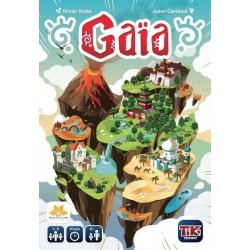
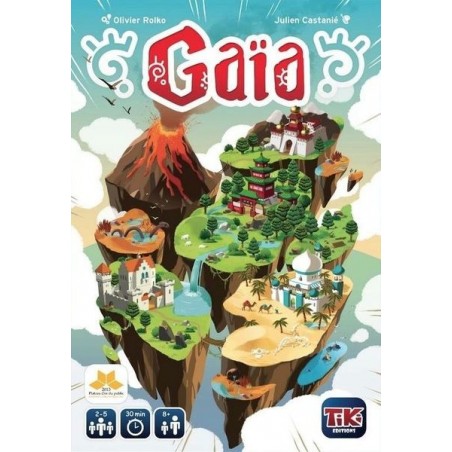
Gaia
Gaïa is a 2-5 player game in which you create a world, instill life in it, build cities, try to satisfy their needs, and use godly powers to shape the world to your benefit.
- -40%
- -40%
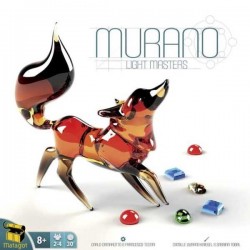
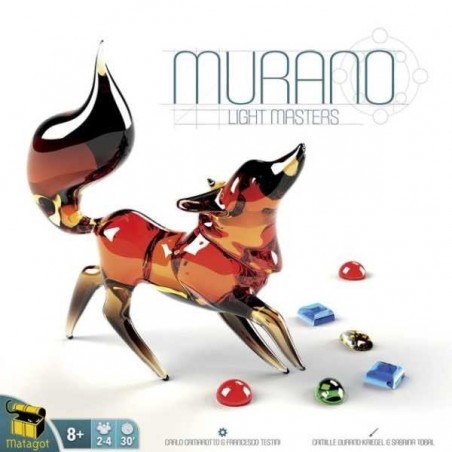
Murano: Light Masters
In 1291, all the glassmakers of the Venice county moved to Murano, making the island famous! Embody one of these famous glassblowers. Collect colored shards of glass of different colors to carry out the works ordered by your wealthy customers! From glass animals to jewelry, it’s up to you to create the most beautiful items to become the richest glassmaker! Optimize your purchases and acquire the shards of glass necessary to fulfill your orders: pay attention to the colors and shards available to be the first to fulfill your orders!
- -25%
- -25%
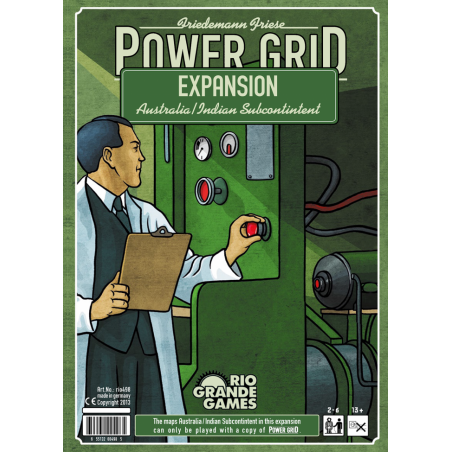
Power Grid: Australia/Indian Subcontinent
Power Grid: Australia & Indian Subcontinent includes two new maps for Power Grid: Recharged or Power Grid.
The Australia map challenges players with several independent power networks. Players now the ability to sell uranium.
The Indian Subcontinent map offers a more restrictive resource market. It can punish players who expand too quickly with power outages!
- -25%
- -25%
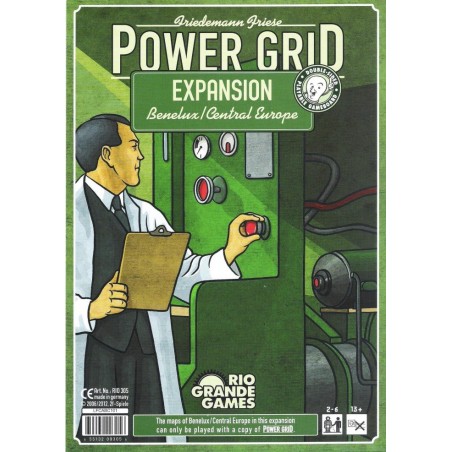
Power Grid: Benelux/Central Europe
Power Grid: Benelux & Central Europe includes two new maps for Power Grid: Recharged or Power Grid.
- -25%
- -25%
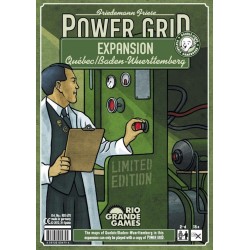
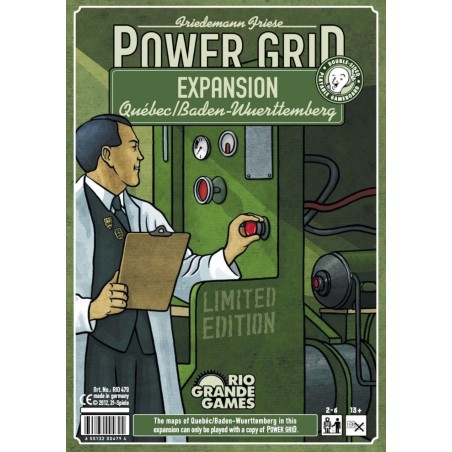
Power Grid: Québec/Baden-Württemberg
Power Grid: Québec & Baden-Württemberg includes two new maps for Power Grid: Recharged or Power Grid.
Québec offers ecological power plants that stay on the market longer. This makes it easier for players to acquire these plants that consume no resources.
- -40%
- -40%
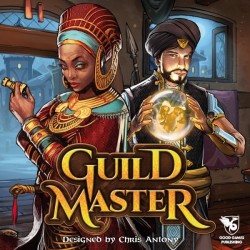
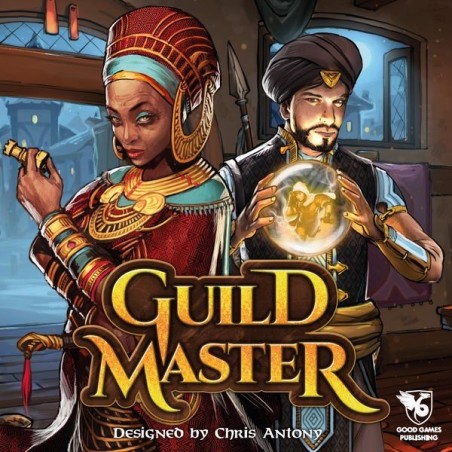
Guild Master
Trouble is on the rise. And for adventuring guilds this spells opportunity.
- -25%
- -25%
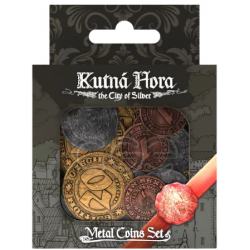
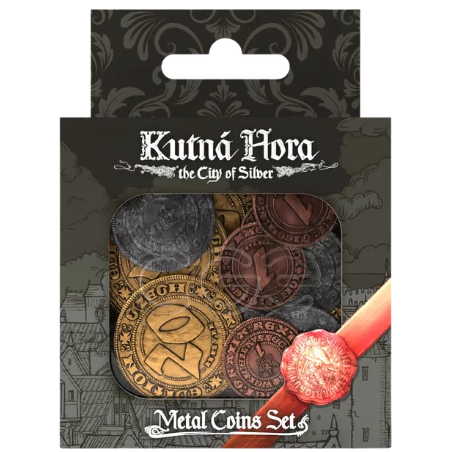
Kutná Hora: The City of Silver – Metal Coins Set
Kutná Hora: The City of Silver - Metal Coins Set
Based on the Prague groschen, the coin minted from Kutná Hora\'s silver for over 200 years.
Game Accessory includes:
10 Twenties
16 Fives
25 Ones
Coin holder
- -15%
- -15%
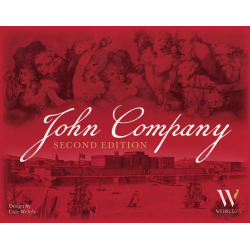
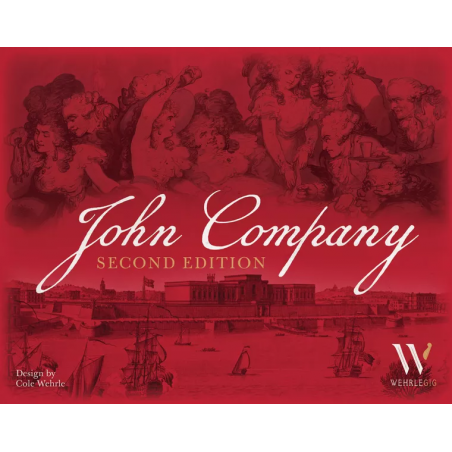
John Company: Second Edition
In John Company, players assume the roles of ambitious families attempting to use the British East India Company for personal gain. The game begins in the early eighteenth-century, when the Company has a weak foothold on the subcontinent. Over the course of the game, the Company might grow into the most powerful and insidious corporation in the world or collapse under the weight of its own ambition.
- -20%
- -20%
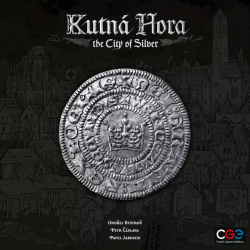
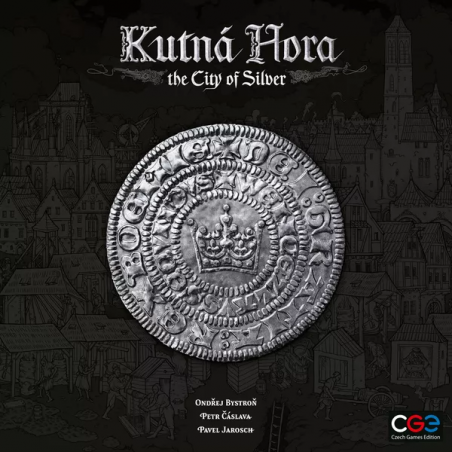
Kutná Hora: The City of Silver
Join other ambitious guild leaders in mining and developing the famous City of Silver during its period of rapid economic growth and expansion in the 14th century — from the first discovery of silver near the Cistercian monastery to the construction of Kutná Hora, which quickly became one of the most important cities in central Europe.
Kutná Hora: The City of Silver is a historical city-building Eurogame for 2-4 players that features a real-life supply and demand experience in which every action you take has an impact on the game\'s dynamic economic systems.
- -23%
- -23%
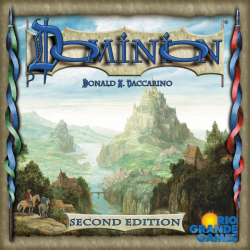
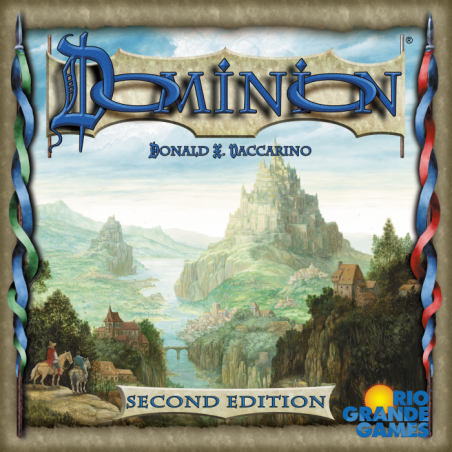
Dominion 2nd Edition
Dominion is the game that started a new genre: Deckbuilding. Winner of the Spiel des Jahres in 2008 and many other awards, Dominion has established itself as a true classic. With more than a dozen expansions currently available, players will always be able to find new challenges.
- -25%
- -25%
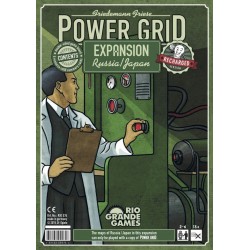
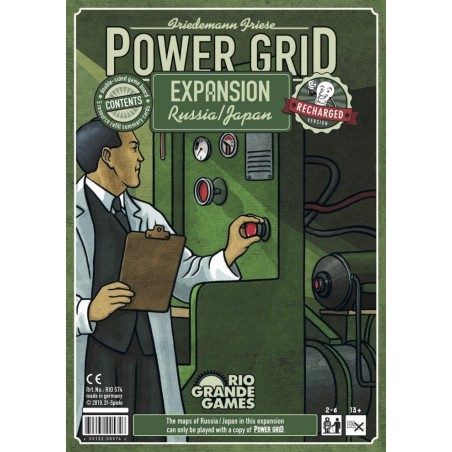
Power Grid: Russia/Japan
Power Grid: Russia / Japan includes two new maps for Power Grid: Recharged or Power Grid.
Russia: This map features a restricted market for power plants. Additionally, the standard rules for exchanging out of date power plants are changed. The players are forced to completely rethink their strategies.
Japan: Based on the crowded geographical surroundings, the players can start two separate networks in Japan. The first connections are restricted to certain cities, guaranteeing a tough fight for the best networks.
- -25%
- -25%
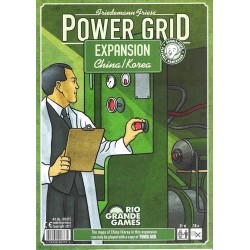
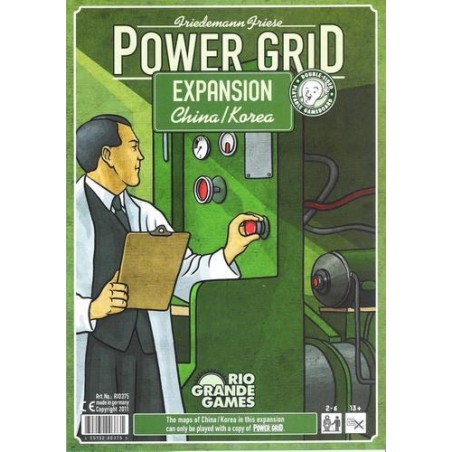
Power Grid: China/Korea
Power Grid: Korea & China includes two new maps for Power Grid: Recharged or Power Grid.
The Korea map comes with two separate resource markets (North/South).
The China map has rules for the planned economy in China – power plants come out in ascending order during step 1 and step 2.