
0
My Cart
£0.00
No products in the cart.
Active filters
- -25%
- -25%
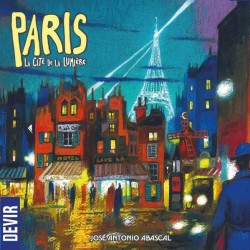
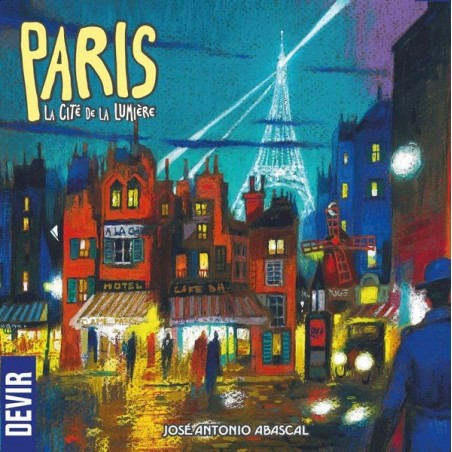
Paris: La Cité de la Lumière
£18.71
£24.95
Free Shipping
Paris: La Cité de la Lumière is a two-player board game, designed by José Antonio Abascal, infused with Parisian aesthetics by the artist, Oriol Hernández. The game is set in late 19th century Paris during the 1889 “Exposition Universelle”, when public electricity was a hot topic. Electricity spread throughout the city, creating today’s beautiful nocturnal Parisian streets and coining Paris’s nickname “La Cité de la Lumiére”, the City of Lights. The most well-lit buildings are admired highly by passers-by.
Availability:
In stock
- -40%
- -40%
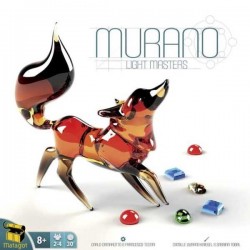
Murano: Light Masters
£17.97
£29.95
Free Shipping
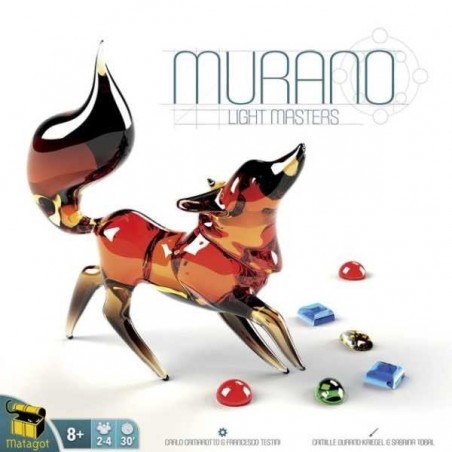
In 1291, all the glassmakers of the Venice county moved to Murano, making the island famous! Embody one of these famous glassblowers. Collect colored shards of glass of different colors to carry out the works ordered by your wealthy customers! From glass animals to jewelry, it’s up to you to create the most beautiful items to become the richest glassmaker! Optimize your purchases and acquire the shards of glass necessary to fulfill your orders: pay attention to the colors and shards available to be the first to fulfill your orders!
Availability:
In stock
- -25%
- -25%
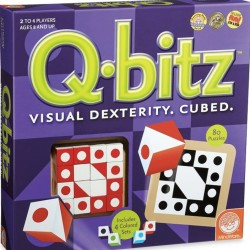
Q-bitz
£24.71
£32.95
Free Shipping
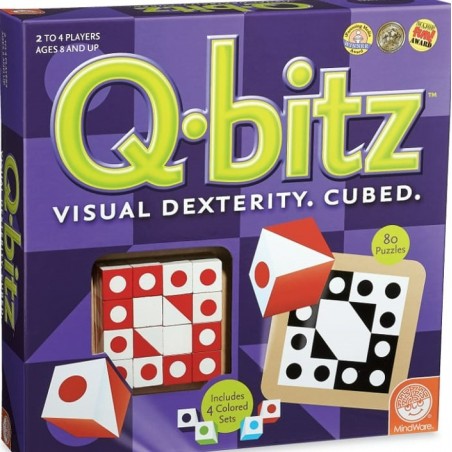
Say goodbye to boredom and challenge your mind and each other with this family-fun puzzle game!
Round one is all about speed, round two requires a bit of luck and round three tests brain power!
Availability:
In stock
- -25%
- -25%
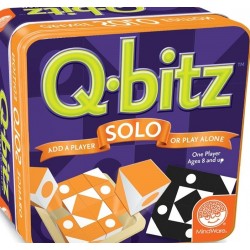
Q-bitz Solo
£9.71
£12.95
Free Shipping
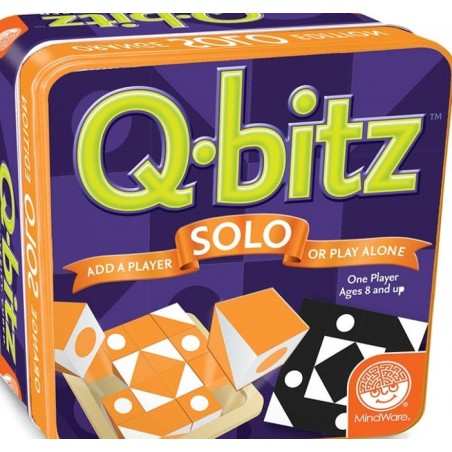
Use Q-bitz Solo as a solitaire challenge or to add another player, a new colour and additional pattern cards to the original Q-bitz game.
Availability:
In stock
- -34%
- -34%
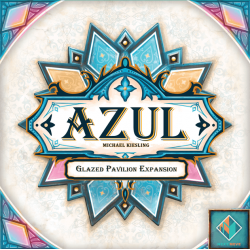
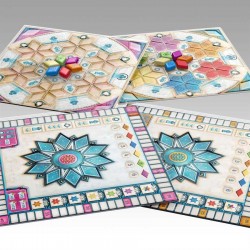
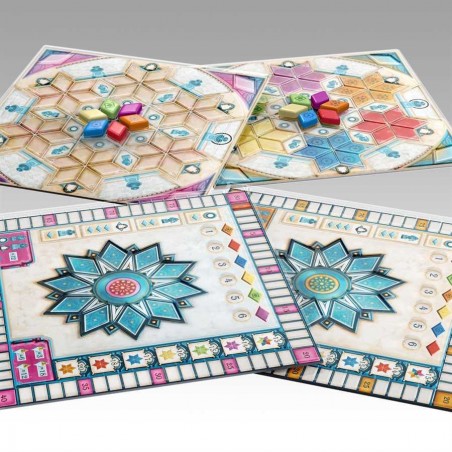
Azul Summer Pavilion: Glazed Pavilion Expansion
£11.85
£17.95
Free Shipping
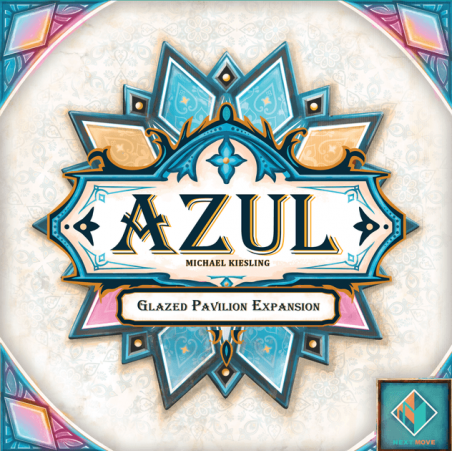
A brand-new floor! This expansion offers players two newly designed player boards and matching scoring boards, plus a set of four overlays to keep tiles neatly organised.
Availability:
In stock
- -40%
- -40%
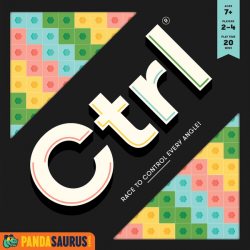
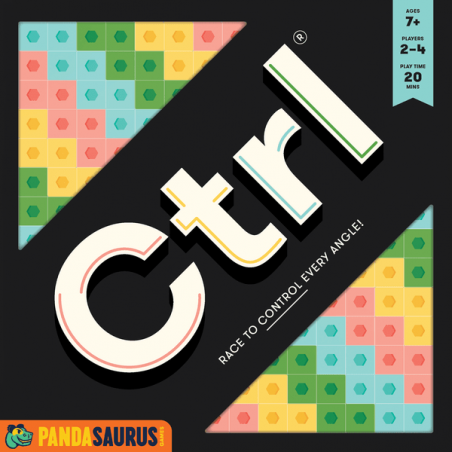
Ctrl
£13.17
£21.95
Free Shipping
In Ctrl, players try to dominate a cube by crawling over it with their colored bricks, preferably covering other players\' bricks along the way.
In more detail, you start with a 3×3×3 cube that has one block of each player color stuck into one of the cube\'s holes. (In a two-player game, each player controls two colors, but at the start of play they secretly choose one of those colors to be their scoring color, with the other color serving only as a blocking mechanism.) Each player has a matching colored flag that sticks out of their block.
Availability:
In stock