
0
My Cart
£0.00
No products in the cart.
Active filters



- -5%
- -5%
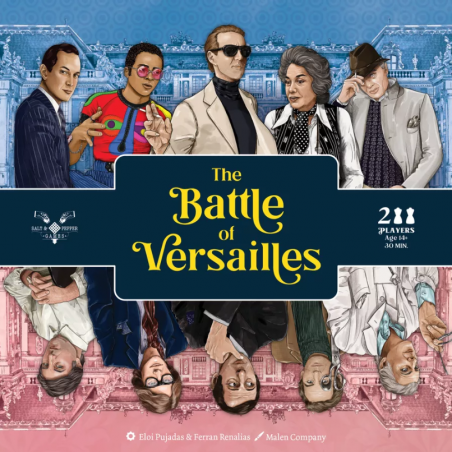
The Battle of Versailles
£28.45
£29.95
Free Shipping
"The Battle of Versailles" was a fashion show held in 1973 in Versailles, France that pitted five American designers against five French designers. The American designers, including Anne Klein, Halston, Oscar de la Renta, Stephen Burrows, and Bill Blass, were considered to be more innovative and less traditional than the French designers: Yves Saint Laurent, Hubert de Givenchy, Emanuel Ungaro, Pierre Cardin, and Christian Dior. The American designers ended up winning the competition and solidifying their place in the fashion world. The event was widely covered in the media, and is considered a turning point in the history of fashion.
Availability:
In stock
- -50%
- -50%
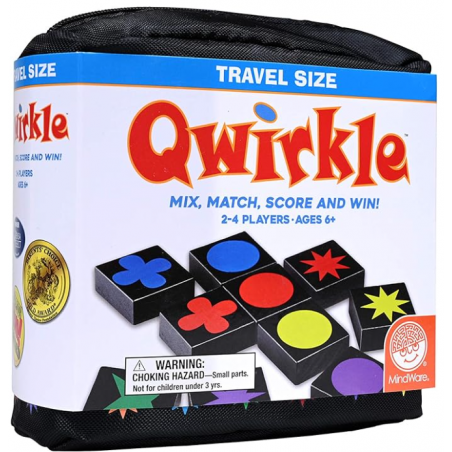
Qwirkle Travel
£7.98
£15.95
Free Shipping
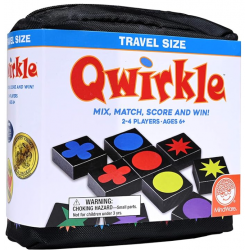
The abstract game of Qwirkle consists of 108 blocks with six different shapes in six different colors. There is no board, players simply use an available flat surface.
Players begin the game with six blocks. The start player places blocks of a single matching attribute (color or shape but not both) on the table. Thereafter, a player adds blocks adjacent to at least one previously played block. The blocks must all be played in a line and match, without duplicates, either the color or shape of the previous block.
Availability:
In stock

- -40%
- -40%
Sherlock: Don's Legacy
£4.47
£7.45
Free Shipping
After the sudden death of a businessman, the Miami police ask for help to find out what happened. Who is the murderer? How was the victim murdered? And why? Follow the clues with your investigative team and try to answer these and many other questions. Will you solve the mystery of Salvatore Sollai\'s death?
Availability:
In stock

- -40%
- -40%
Sherlock: Death on the 4th of July
£4.47
£7.45
Free Shipping
In each Q case you try to solve a mystery case with 32 clues.
Play in turns, one player at a time, until all cards have been revealed or discarded.
Availability:
In stock
- -40%
- -40%
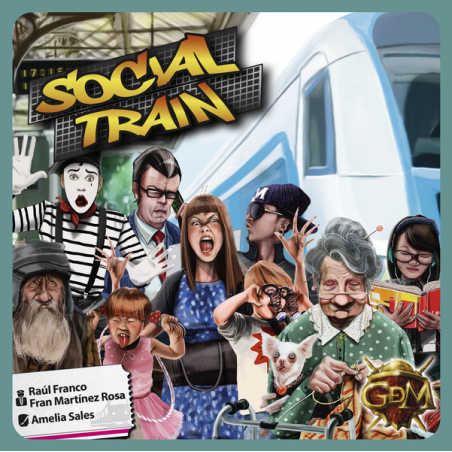
Social Train
£11.97
£19.95
Free Shipping
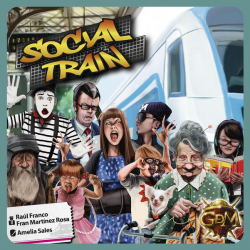
Players need to choose their passengers and try them to have a pleasant trip in this new social network… Or maybe, they will do anything to make this trip a nightmarish experience.
Availability:
In stock
- -40%
- -40%
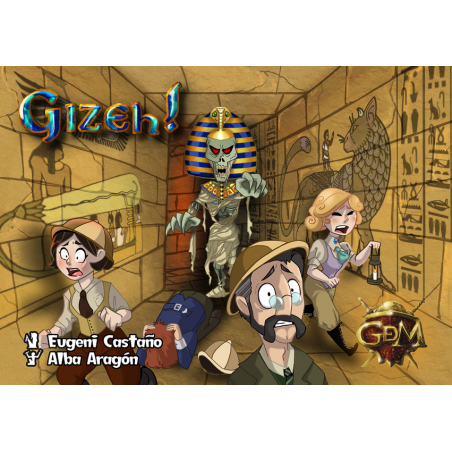
Gizeh!
£5.97
£9.95
Free Shipping
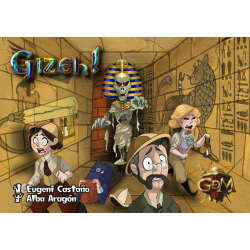
The three Great Pyramids of the pharaohs of the Fourth Dynasty were built on the Giza Plateau. Besides, there are other structures destined to other members of the reigning family: Mastabas and Hypogea.
Availability:
Last items in stock
- -40%
- -40%
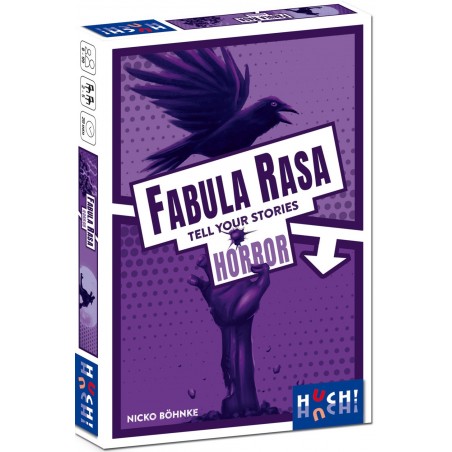
Fabula Rasa: Horror
£5.97
£9.95
Free Shipping
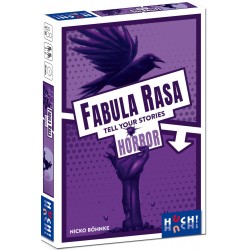
In Fabula Rasa, players take turns telling a constantly changing story as is typical of oral traditions.
The motifs on the cards provide visual bullet points for people, objects, and locations that are central to the action, things that must be remembered in the correct order, with cards disappearing and new ones being added each round. Those who, as a narrator, manage to present their version of the story without errors will be rewarded accordingly.
Availability:
In stock
- -40%
- -40%
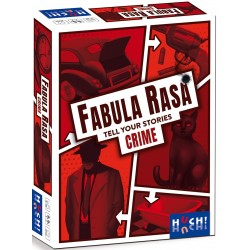
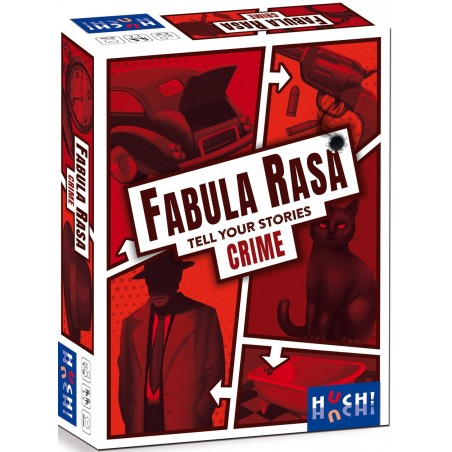
Fabula Rasa: Crime
£11.37
£18.95
Free Shipping
In Fabula Rasa, the players take turns telling a constantly changing story, as is typical of oral tradition. The motifs on the maps provide visual cues for central persons, objects and locations of the story, which must be remembered in the correct order. Creative and challenging to the memory is the fact that in each round, cards disappear and new ones are added. Those who succeed as storytellers in presenting their version of the story without mistakes are rewarded accordingly.
Availability:
In stock
- -40%
- -40%
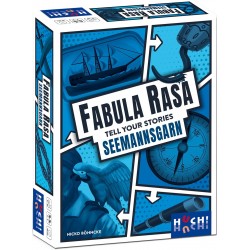
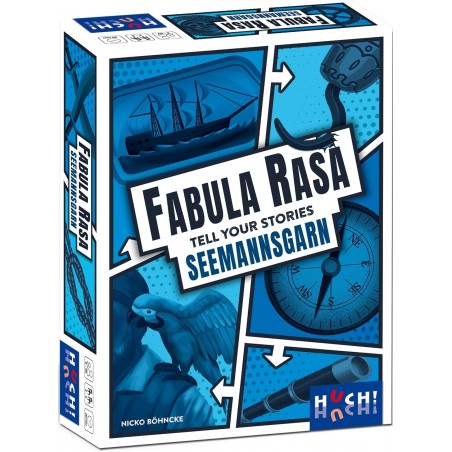
Fabula Rasa Seemannsgarn
£11.37
£18.95
Free Shipping
In Fabula Rasa, the players take turns telling a constantly changing story, as is typical of oral tradition. The motifs on the maps provide visual cues for central persons, objects and locations of the story, which must be remembered in the correct order. Creative and challenging to the memory is the fact that in each round, cards disappear and new ones are added. Those who succeed as storytellers in presenting their version of the story without mistakes are rewarded accordingly.
Availability:
In stock