
0
My Cart
£0.00
No products in the cart.
Active filters
- -25%
- -25%
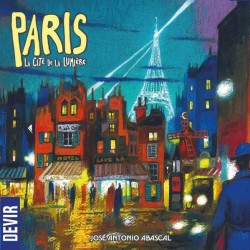
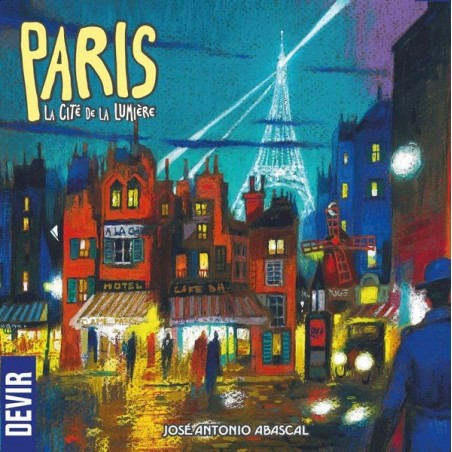
Paris: La Cité de la Lumière
£18.71
£24.95
Free Shipping
Paris: La Cité de la Lumière is a two-player board game, designed by José Antonio Abascal, infused with Parisian aesthetics by the artist, Oriol Hernández. The game is set in late 19th century Paris during the 1889 “Exposition Universelle”, when public electricity was a hot topic. Electricity spread throughout the city, creating today’s beautiful nocturnal Parisian streets and coining Paris’s nickname “La Cité de la Lumiére”, the City of Lights. The most well-lit buildings are admired highly by passers-by.
Availability:
In stock
- -50%
- -50%
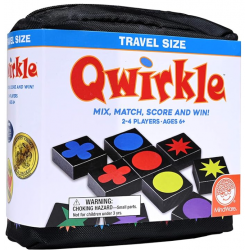
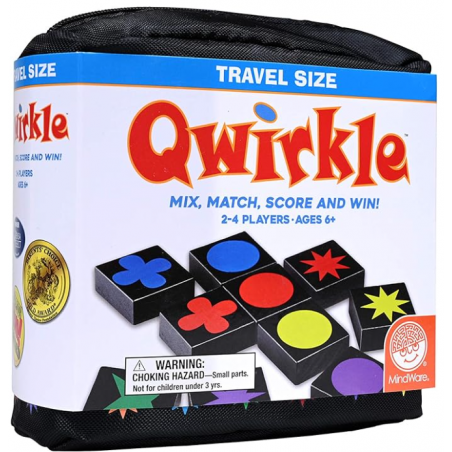
Qwirkle Travel
£7.98
£15.95
Free Shipping
The abstract game of Qwirkle consists of 108 blocks with six different shapes in six different colors. There is no board, players simply use an available flat surface.
Players begin the game with six blocks. The start player places blocks of a single matching attribute (color or shape but not both) on the table. Thereafter, a player adds blocks adjacent to at least one previously played block. The blocks must all be played in a line and match, without duplicates, either the color or shape of the previous block.
Availability:
In stock
- -22%
- -22%
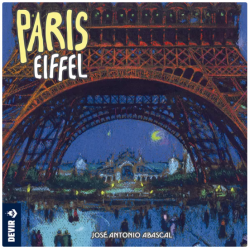
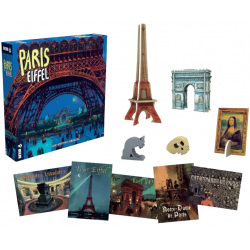
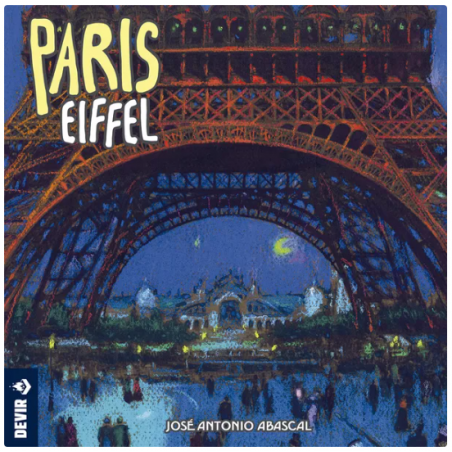
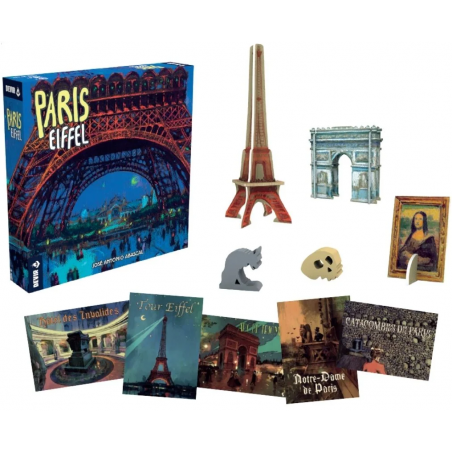
Paris: Eiffel
£11.66
£14.95
Free Shipping
The tower built by architect Gustave Eiffel rises high above Paris, announcing the inauguration of the Universal Exposition. There are those who define it as a monstrous iron cyclops and others as the first step into modern architecture. There is no doubt it will leave very few indifferent.
Availability:
Last items in stock
- -40%
- -40%
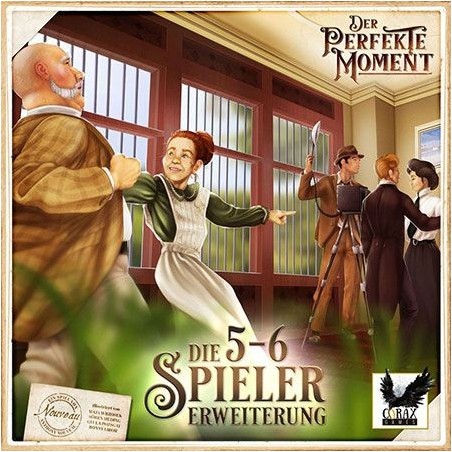
Picture Perfect: 5-6 Player Expansion
£11.97
£19.95
Free Shipping
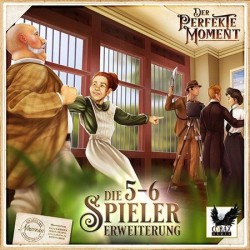
The expansion contains enough material for a 5th and 6th player. Including alternatively illustrated screens and special exchange cards, which are specially designed for these numbers of players.
Availability:
In stock
- -23%
- -23%
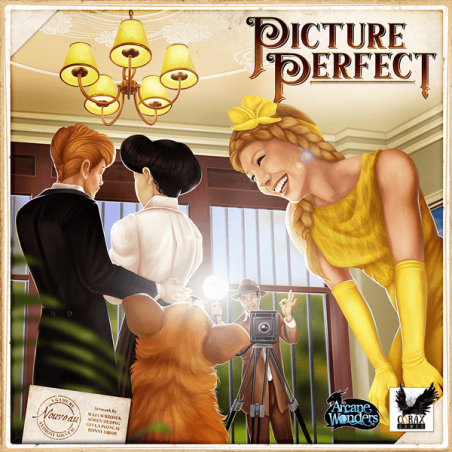
Picture Perfect
£34.61
£44.95
Free Shipping
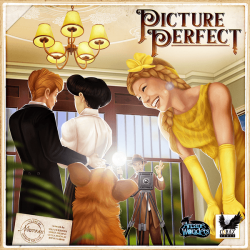
How do you take the perfect picture of a group of people if you only have one try? Each character has different wishes. Some want to be at the front of the picture; some want to stand next to another; and some really don\'t want to be next to that one particular person by any means. Do your best to make everyone happy ? even if you don\'t actually know all the characters\' preferences?
Availability:
In stock
- -25%
- -25%
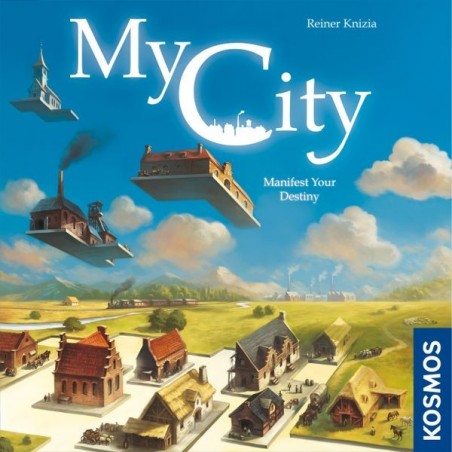
My City
£28.46
£37.95
Free Shipping
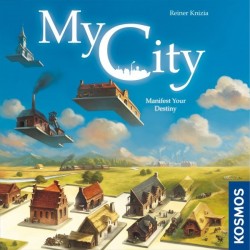
My City is a unique, family-oriented legacy gaming experience that is played in relatively short episodes. The game consists of 24 different episodes beginning with the development of a city in its early preindustrial stages and progressing through industrialisation.
During each game, players customise their experience by adding elements to their own boards. Players’ choices and actions made during one session of gameplay carry over into the next session, creating a personalised gaming experience. For players who do not want to experience My City as a legacy game, a double-sided game board offers an alternate setup for repeatable play.
Availability:
In stock
- -25%
- -25%
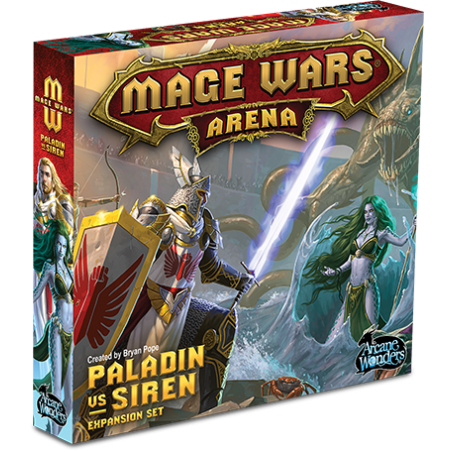
Paladin Vs Siren - Mage Wars: Arena
£29.96
£39.95
Free Shipping
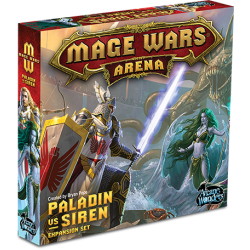
To confront the militaristic power of Ivarium, Paladin forces from Westlock have been dispatched to the East. Meanwhile, the southern coastline roils. The Merren, a reclusive unterwater race, have risen from the deeps, and stormed the coastal cities. Their mysterious Siren Mages have emerged, with a new range of Water, Mind, and song based magics.
Availability:
In stock
- -40%
- -40%
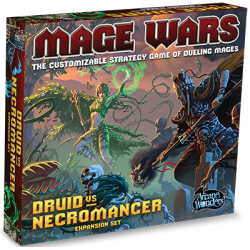
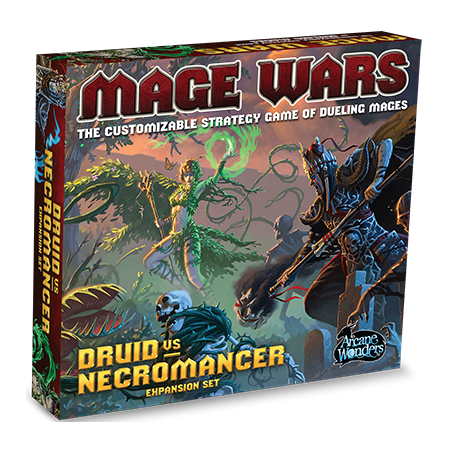
Druid Vs Necromancer - Mage Wars: Arena
£23.97
£39.95
Free Shipping
Hideous abominations and dark powers haunt the fetid marshes of the Darkfenne, threatening all nations with an ever-growing tide of death. On the eastern edge of the expanse there is a small, ancient forest, known as the Wynchwood. It remains a bastion of growth and life. In response to the growing threat of the Darkfenne, the Wynchwood Druids now move to stop the spread of pestilence and death upon the land, matching death with life.
Availability:
In stock
- -40%
- -40%
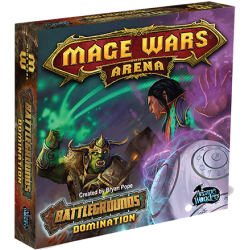
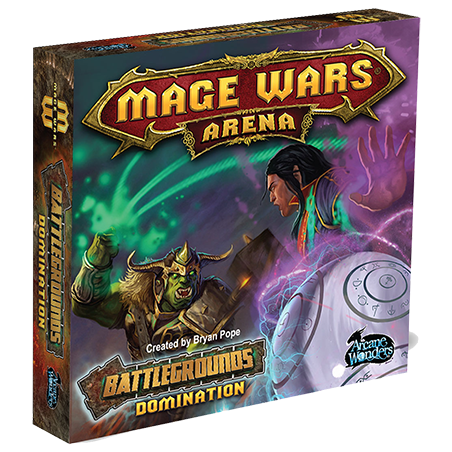
Battlegrounds Domination - Mage Wars: Arena
£26.97
£44.95
Free Shipping
Mages normally settle their differences in the arena. This time-honored tradition of Mage-on-Mage combat has stood for hundreds of years. However, with the discovery of the V’Torrak, many conflicts now occur outside of the arena. Mages actively search for the mysterious V’Tar Orbs, and conflict has spilled out into the world of Etheria itself.
Availability:
In stock