
0
My Cart
£0.00
No products in the cart.
Active filters


- -40%
- -40%
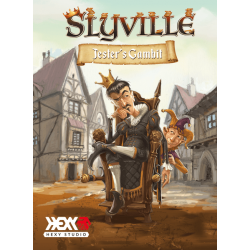
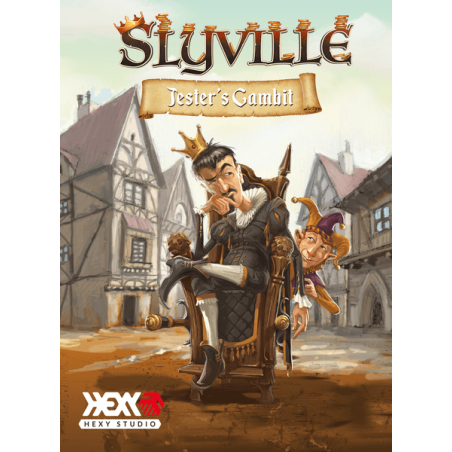
Slyville: Jester's Gambit
£8.97
£14.95
Free Shipping
Jester’s Gambit, the first expansion for Slyville, introduces two new types of cards: Events and Hidden Agendas, to spice up the struggle of the guild leaders in the slyest of all medieval cities! In fact, medieval cities were home to very different types of people, not only pious monks, humble scholars, and trustworthy merchants, but also those who are mischievous, cunning, and dishonest.
Availability:
Last items in stock
- -24%
- -24%
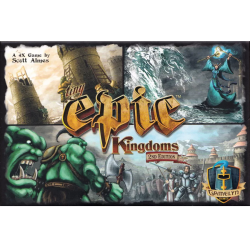
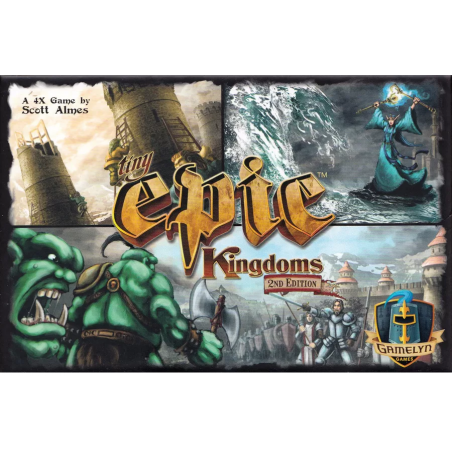
Tiny Epic Kingdoms (2nd Edition)
£22.76
£29.95
Free Shipping
You are a tiny kingdom with big ambition. You want to expand your population throughout the realms, learn powerful magic, build grand towers, and have your neighbors quiver at the mention of your name. The conflict? All of the other kingdoms want the same thing and there\'s not enough room for everyone to succeed.
Availability:
Last items in stock
- -40%
- -40%
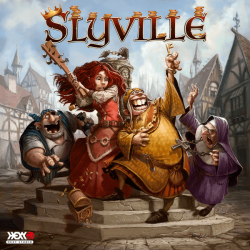
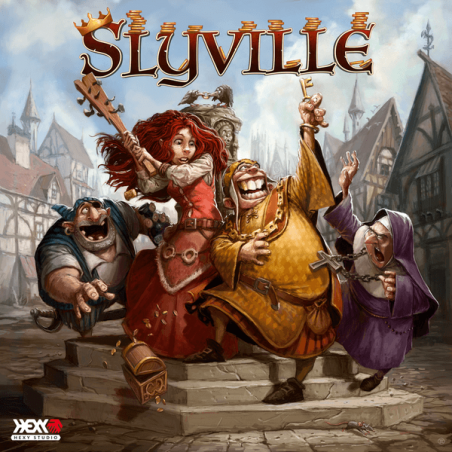
Slyville
£17.97
£29.95
Free Shipping
Medieval cities were home to very different types of people. Not only pious monks, humble scholars and trustworthy merchants, but also those mischievous, cunning and dishonest. In Slyville, a board game of bluff and deceit, you become one of the latter kind. As head of a guild operating in one of the world\'s major trade and cultural centers of the Middle Ages, you will be sending your trusted right-hand men to various districts of the city to find trade bargains, make deals, and provide the organization with more power and wealth — not always in a way that is completely legal, but for sure fun and entertaining!
Availability:
Last items in stock
- -40%
- -40%
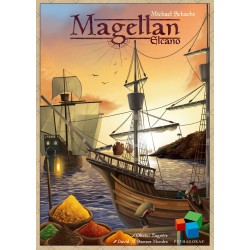
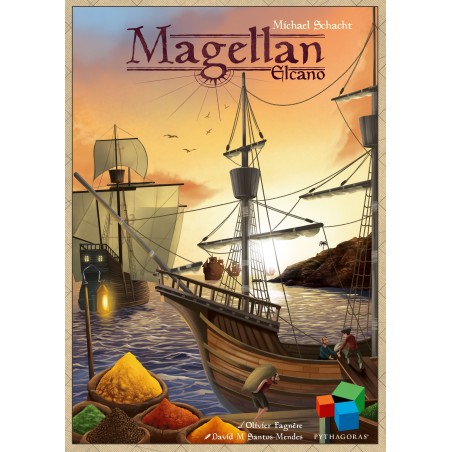
Magellan: Elcano
£8.37
£13.95
Free Shipping
September 20, 1519: The activity on the deck is frantic. Sailors run from side to side, loading the final batch of supplies. On the royal stand in the harbour, the preparation is intense. The King has arrived to watch the fleet set sail: five mighty ships, commanded by five shrewd captains whose intelligence will be put to the test in the years to come. The cannons roar, giving the departure signal. The anchors are pulled up, and the sails unfurled. The voyage that will circle the globe has just begun.
Availability:
Last items in stock
- -50%
- -50%
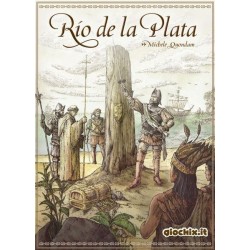
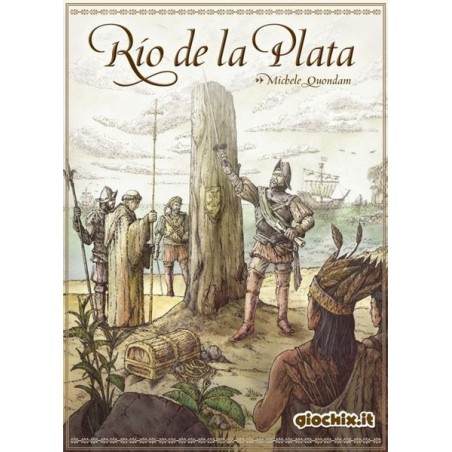
Río de la Plata
£24.98
£49.95
Free Shipping
In 1536 Pedro de Mendoza founded the city of Buenos Aires along the Rio de la Plata river. After five years, the settlers were forced to leave the city exhausted by difficulties and the continuous attacks from the Querandies natives.
Availability:
In stock

- -40%
- -40%
20th Century
£35.97
£59.95
Free Shipping
In the 20th Century, every region strives to develop. Some become financial leaders, others become centers of learning. Science and commerce propel nations into the future – but what kind of future? Growth produces waste, and advances come with a cost to the environment. How will you mitigate the inevitable ecological catastrophes?
Availability:
In stock
- -40%
- -40%
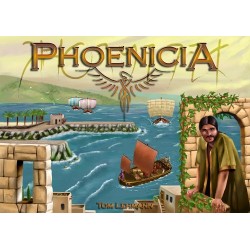
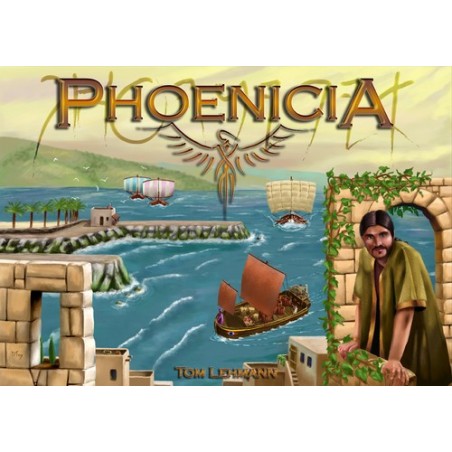
Phoenicia
£29.97
£49.95
Free Shipping
Empires rise and fall. In the buffer areas and crossroads between civilizations, however, a clever ruler can sometimes adopt new ideas, establish trade, and found a city state.
Availability:
In stock
- -10%
- -10%
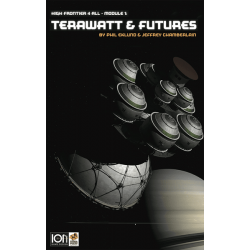
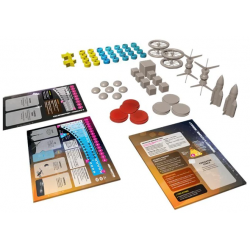
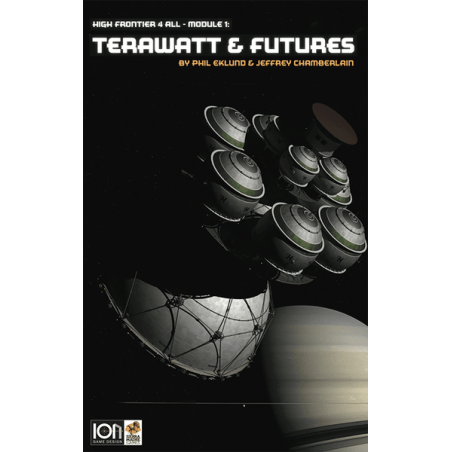
High Frontier 4 All - Module 1: Terawatt & Futures
£11.86
£13.18
Free Shipping
This terawatt module introduces two new patent decks: Freighters (1B) and GW Thrusters (1C). Freighters are a new type of patent card allowing the transport of valuable factory goods back to LEO. GW thrusters are more powerful and efficient versions of the MW thrusters of the core game, allowing your Spacecraft to reach the outer planets more easily. This module also optionally introduces Futures, special game goals to earn victory points.
Availability:
Out of Stock
- -10%
- -10%
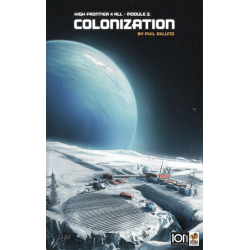
High Frontier 4 All - Module 2: Colonization
£17.06
£18.95
Free Shipping
This colonization module introduces orbital space colonies called Bernals (2B) and space pioneers called Colonists (2C). These two types of cards extend the core game to go beyond industrializing and exploiting the resources of the solar system to colonizing and settling the solar system. Bernals upgrade your Colonies to give you extra VP, according to the Hydration of nearby Factories. They also award Colonists, which you can take to Sites to perform extra Operations there.
Availability:
Out of Stock
- -10%
- -10%
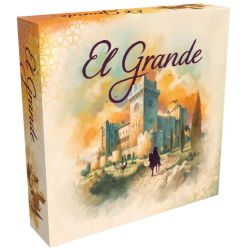
El Grande
£40.46
£44.95
Free Shipping
In this award-winning game, players take on the roles of Grandes in medieval Spain. The king\'s power is flagging, and these powerful lords are vying for control of the various regions. To that end, you draft caballeros (knights in the form of colored cubes) into your court and subsequently move them onto the board to help seize control of regions. After every third round, the regions are scored, and after the ninth round, the player with the most points is the winner.
Availability:
Out of Stock
- -10%
- -10%
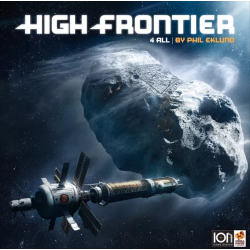
High Frontier 4 All
£71.96
£79.95
Free Shipping
This is the 4th ed of Phil Eklund\'s signature game High Frontier. It started with Rocket Flight (1999), a game with the vision to let "Each player start as a spacefaring company in the year 2020 trying to make a profit in trade and technology development." Now that we are at that year, High Frontier has evolved into a modular system open to enthusiasts to keep it updated ever farther into the future.
Availability:
Out of Stock
- -10%
- -10%
High Frontier 4 All - 6th Player Add On
£17.96
£19.95
Free Shipping
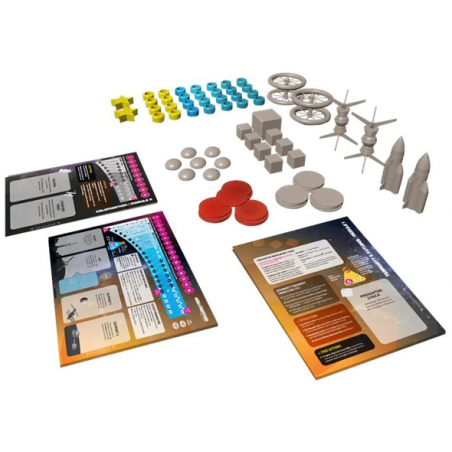
All the components needed to play the High Frontier 4 All core game, module 1, and module 2 as a 6-player game.
Availability:
Out of Stock
- -23%
- -23%
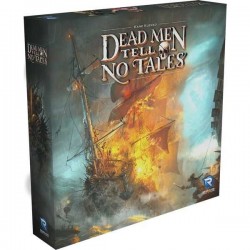
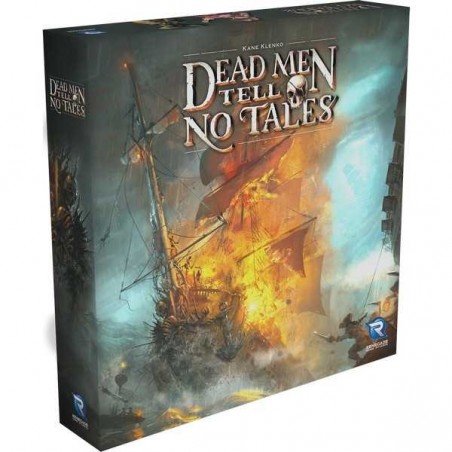
Dead Men Tell No Tales
£38.46
£49.95
Free Shipping
Skelit’s Revenge. The most feared ship on the high seas… you’ve finally overtaken it. Captain Fromm and his skeleton crew have amassed a massive treasure, and now is your chance to board and plunder it all! A cooperative game where players take on the role of a pirate crew, boarding Skelit’s Revenge for one purpose: treasure. Battle the crew, the raging inferno, and your own fatigue as you fight to stay alive. Do you and your crew have what it takes to make off with the loot and live to tell the story? Or are you going down with the ship in Dead Men Tell No Tales?
Availability:
Out of Stock

- -10%
- -10%
The Great Zimbabwe
£67.46
£74.95
Free Shipping
The Great Zimbabwe is a game about building a trade based civilization in ancient Africa. It has been inspired by the old kingdoms surrounding the Great Zimbabwe, a world heritage site in Southern Africa. Far into the previous century, colonial governments denied that a civilization that produced such impressive monuments and beautiful artwork could have been African in origin. But of course, this civilization was African, and the country of Zimbabwe itself was proudly named after this impressive cultural heritage.
Availability:
Out of Stock
- -10%
- -10%
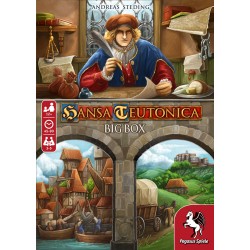
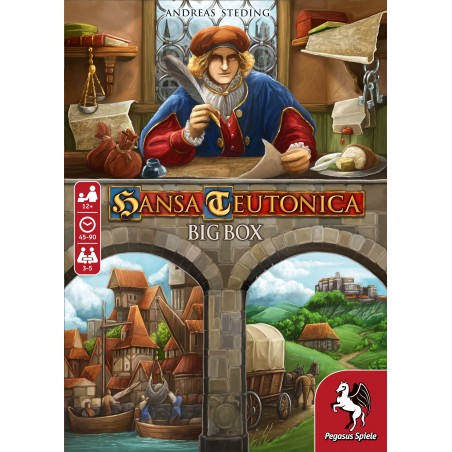
Hansa Teutonica Big Box
£38.65
£42.95
Free Shipping
The multi award winning strategy game Hansa Teutonica is back – in a “Big Box” edition including the base game and all expansions. In the game players attempt to increase their standing as merchants in the Hanseatic League by gaining prestige points in various ways. For instance, they can try to establish a network of Counting Offices in new Hansa cities by occupying an entire trade route between two cities – but before that happens, player markers can also be displaced by other players.
Availability:
Out of Stock