
0
My Cart
£0.00
No products in the cart.
Active filters




- -10%
- -10%
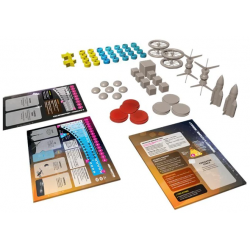
In the Footsteps of Darwin: Correspondence
£14.39
£15.99
Free Shipping
England, 1856: Charles Darwin finishes writing On the Origin of Species while you are on your way home. Your correspondence with the illustrious scientist during your journey has paid off as his book will soon be published - but you\'re not done yet. In the In the Footsteps of Darwin: Correspondence expansion, you will gain the support of historical figures and make fascinating new discoveries thanks to several new features for the base game: publication tokens, classification tokens, envelope tokens, and new characters such as Emma Darwin and Queen Victoria.
Availability:
Last items in stock
- -24%
- -24%
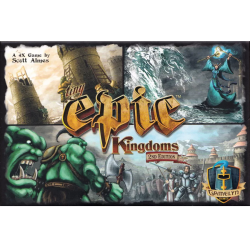
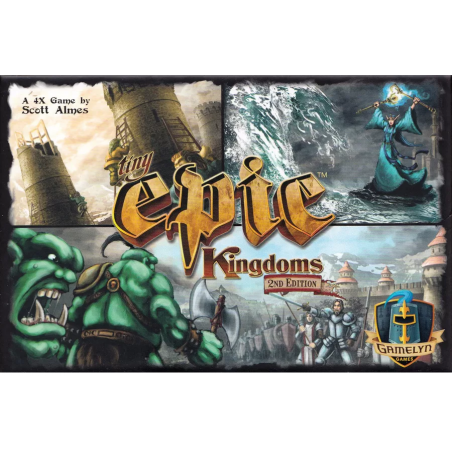
Tiny Epic Kingdoms (2nd Edition)
£22.76
£29.95
Free Shipping
You are a tiny kingdom with big ambition. You want to expand your population throughout the realms, learn powerful magic, build grand towers, and have your neighbors quiver at the mention of your name. The conflict? All of the other kingdoms want the same thing and there\'s not enough room for everyone to succeed.
Availability:
Last items in stock
- -12%
- -12%
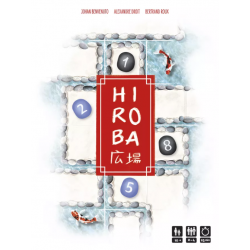
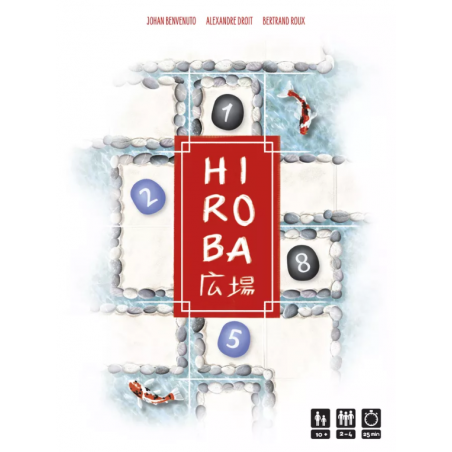
Hiroba
£19.32
£21.95
Free Shipping
Win the game of Hiroba by shrewdly placing your numbered pebbles so you can take control of the most gardens. As in Sudoku, you must never have two pebbles of identical value in the same garden, row or column. Beat your opponents by thinking strategically, but don’t neglect the highly coveted Koi, which can earn you precious points.
Availability:
In stock
- -40%
- -40%
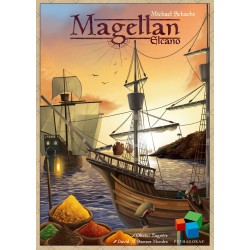
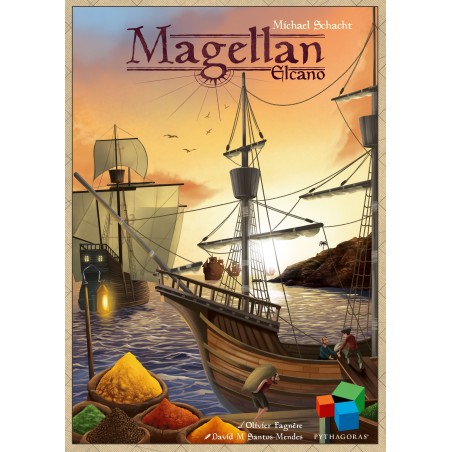
Magellan: Elcano
£8.37
£13.95
Free Shipping
September 20, 1519: The activity on the deck is frantic. Sailors run from side to side, loading the final batch of supplies. On the royal stand in the harbour, the preparation is intense. The King has arrived to watch the fleet set sail: five mighty ships, commanded by five shrewd captains whose intelligence will be put to the test in the years to come. The cannons roar, giving the departure signal. The anchors are pulled up, and the sails unfurled. The voyage that will circle the globe has just begun.
Availability:
Last items in stock
- -50%
- -50%
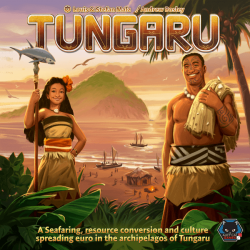
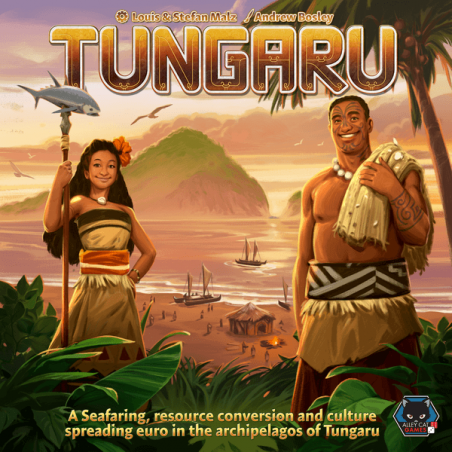
Tungaru
£18.48
£36.95
Free Shipping
A medium-weight dice placement and resource conversion euro game where you play as early sea-faring Polynesians seeking to spread their culture across the archipelago of Tungaru.
Availability:
In stock
- -50%
- -50%
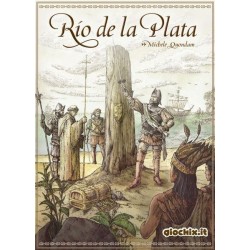
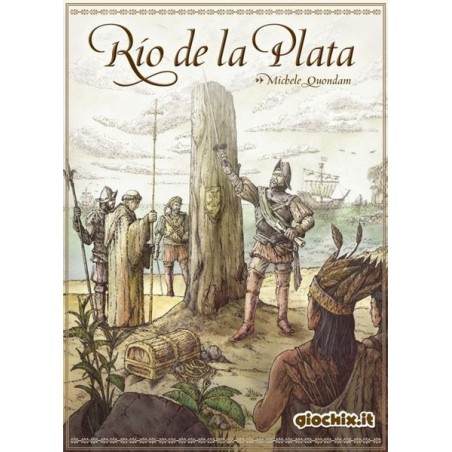
Río de la Plata
£24.98
£49.95
Free Shipping
In 1536 Pedro de Mendoza founded the city of Buenos Aires along the Rio de la Plata river. After five years, the settlers were forced to leave the city exhausted by difficulties and the continuous attacks from the Querandies natives.
Availability:
In stock

- -40%
- -40%
20th Century
£35.97
£59.95
Free Shipping
In the 20th Century, every region strives to develop. Some become financial leaders, others become centers of learning. Science and commerce propel nations into the future – but what kind of future? Growth produces waste, and advances come with a cost to the environment. How will you mitigate the inevitable ecological catastrophes?
Availability:
In stock
- -40%
- -40%
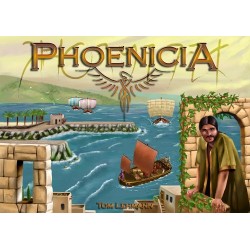
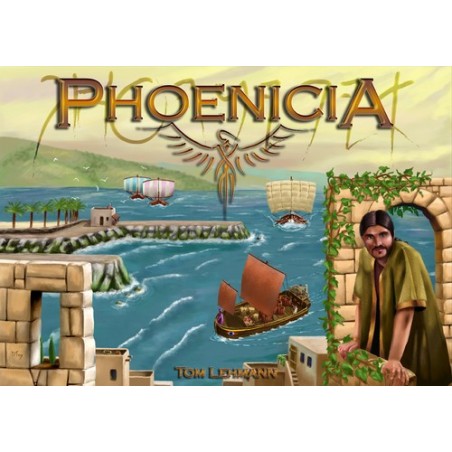
Phoenicia
£29.97
£49.95
Free Shipping
Empires rise and fall. In the buffer areas and crossroads between civilizations, however, a clever ruler can sometimes adopt new ideas, establish trade, and found a city state.
Availability:
In stock
- -40%
- -40%
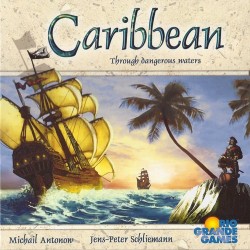
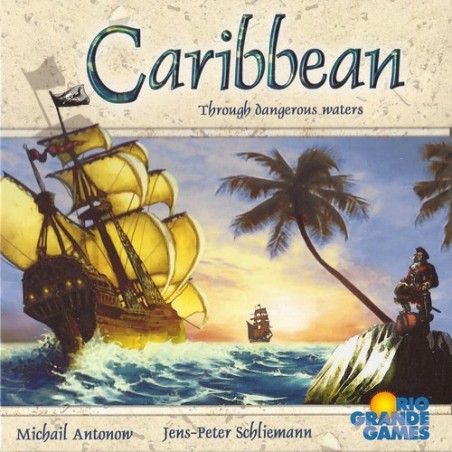
Caribbean
£16.77
£27.95
Free Shipping
The board shows the Caribbean in the 18th century. Six pirate ships lie in wait on the sea. They are ready to pillage the rich ports or to rob the booty from other ships. The sea is divided into spaces. Each player has three safe havens marked in his color on the board.
Availability:
Last items in stock

- -20%
- -20%
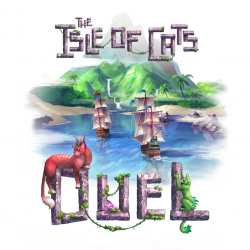
The Isle of Cats Duel
£19.96
£24.95
Free Shipping
In The Isle of Cats Duel — a competitive, standalone game designed specifically for two players — you are citizens of Squalls End on a rescue mission to the Isle of Cats and must save as many cats as possible before the evil Lord Vesh arrives. Each cat is represented by a unique tile and belongs to a family; you must find a way to make them all fit on your boat while keeping families together.
Availability:
Out of Stock
- -10%
- -10%
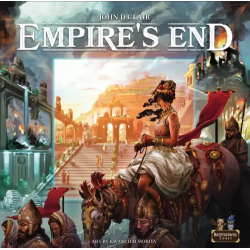
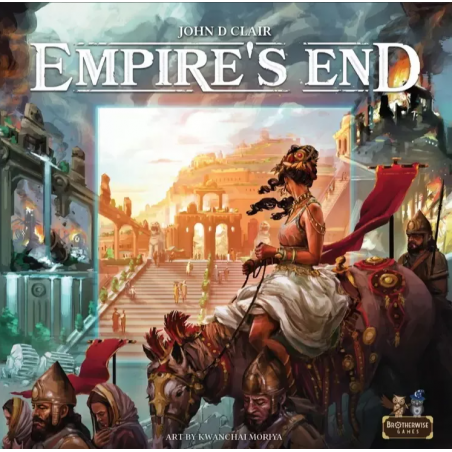
Empire's End
£35.95
£39.95
Free Shipping
You lead a grand civilization at the height of its influence, but can you save it from collapse? In Empire\'s End, 2-4 players compete to keep calamity at bay. Empire\'s End marries the intuitive and elegant mechanism of reverse-bidding with engine-building, long-term planning, and strategic depth. The result is a game with a quick tempo, abundant tension, and multiple challenging paths to victory.
Availability:
Out of Stock
- -10%
- -10%
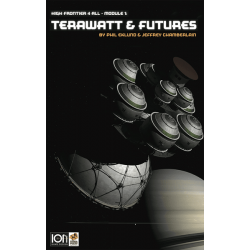
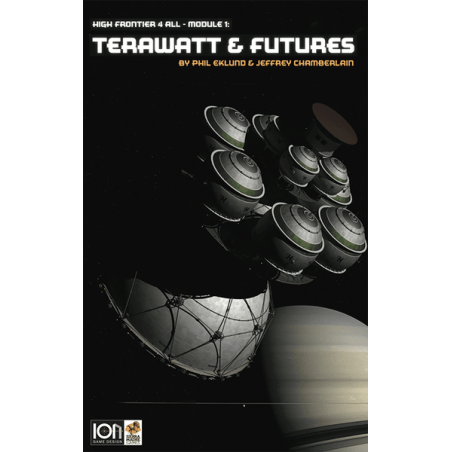
High Frontier 4 All - Module 1: Terawatt & Futures
£11.86
£13.18
Free Shipping
This terawatt module introduces two new patent decks: Freighters (1B) and GW Thrusters (1C). Freighters are a new type of patent card allowing the transport of valuable factory goods back to LEO. GW thrusters are more powerful and efficient versions of the MW thrusters of the core game, allowing your Spacecraft to reach the outer planets more easily. This module also optionally introduces Futures, special game goals to earn victory points.
Availability:
Out of Stock
- -10%
- -10%
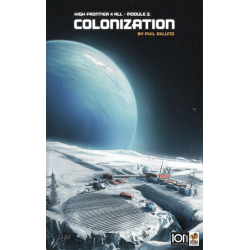
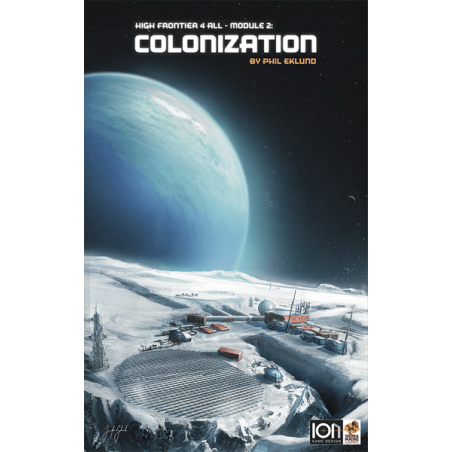
High Frontier 4 All - Module 2: Colonization
£17.06
£18.95
Free Shipping
This colonization module introduces orbital space colonies called Bernals (2B) and space pioneers called Colonists (2C). These two types of cards extend the core game to go beyond industrializing and exploiting the resources of the solar system to colonizing and settling the solar system. Bernals upgrade your Colonies to give you extra VP, according to the Hydration of nearby Factories. They also award Colonists, which you can take to Sites to perform extra Operations there.
Availability:
Out of Stock
- -10%
- -10%
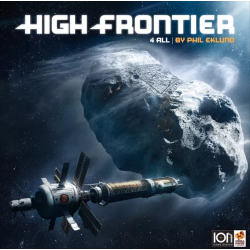
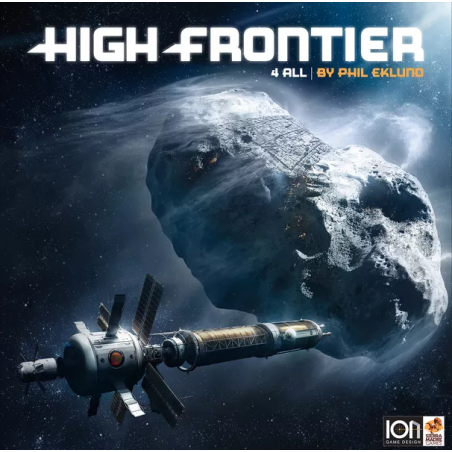
High Frontier 4 All
£71.96
£79.95
Free Shipping
This is the 4th ed of Phil Eklund\'s signature game High Frontier. It started with Rocket Flight (1999), a game with the vision to let "Each player start as a spacefaring company in the year 2020 trying to make a profit in trade and technology development." Now that we are at that year, High Frontier has evolved into a modular system open to enthusiasts to keep it updated ever farther into the future.
Availability:
Out of Stock
- -10%
- -10%
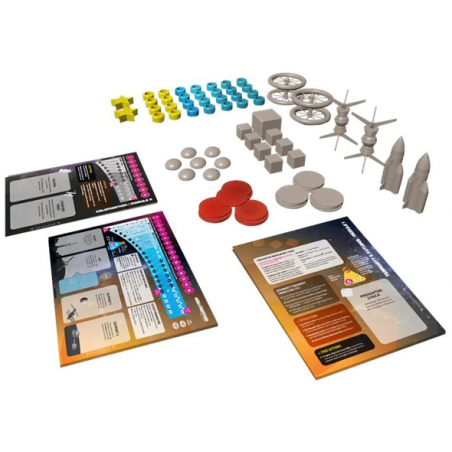
High Frontier 4 All - 6th Player Add On
£17.96
£19.95
Free Shipping
All the components needed to play the High Frontier 4 All core game, module 1, and module 2 as a 6-player game.
Availability:
Out of Stock
- -7%
- -7%
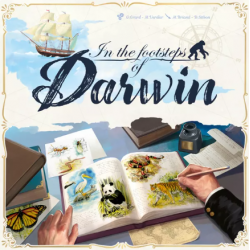
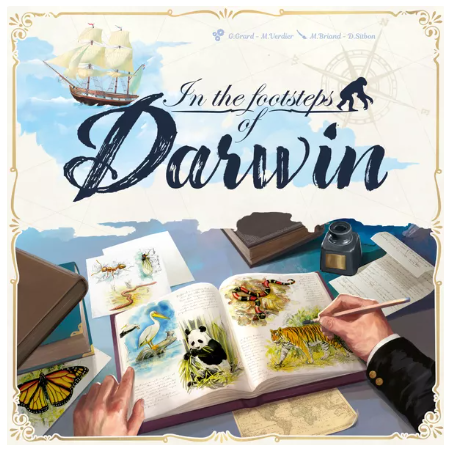
In the Footsteps of Darwin
£32.50
£34.95
Free Shipping
Twenty years after his expedition around the world, Charles Darwin is writing On the Origins of Species. He wants to gather new information about animal life, particularly about continents he hardly explored. Who other than young naturalists, eager for discovery, could help the renowned scholar finish writing his most famous work?
Availability:
Out of Stock

- -10%
- -10%
The Great Zimbabwe
£67.46
£74.95
Free Shipping
The Great Zimbabwe is a game about building a trade based civilization in ancient Africa. It has been inspired by the old kingdoms surrounding the Great Zimbabwe, a world heritage site in Southern Africa. Far into the previous century, colonial governments denied that a civilization that produced such impressive monuments and beautiful artwork could have been African in origin. But of course, this civilization was African, and the country of Zimbabwe itself was proudly named after this impressive cultural heritage.
Availability:
Out of Stock
- -20%
- -20%
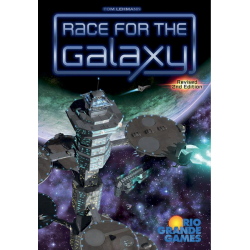
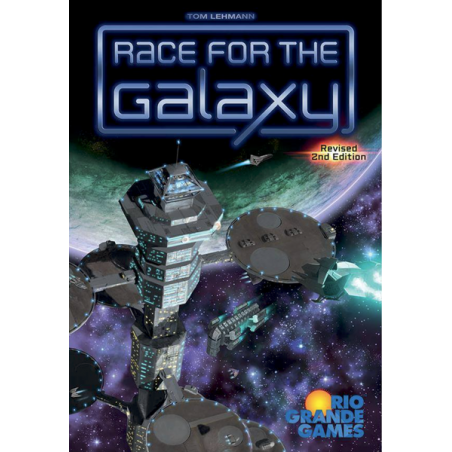
Race for the Galaxy
£30.36
£37.95
Free Shipping
Race for the Galaxy
In the card game Race for the Galaxy, players build galactic civilizations by playing game cards in front of them that represent worlds or technical and social developments. Some worlds allow players to produce goods, which can be consumed later to gain either card draws or victory points when the appropriate technologies are available to them. These are mainly provided by the developments and worlds that are not able to produce, but the fancier production worlds also give these bonuses.
Availability:
Out of Stock